
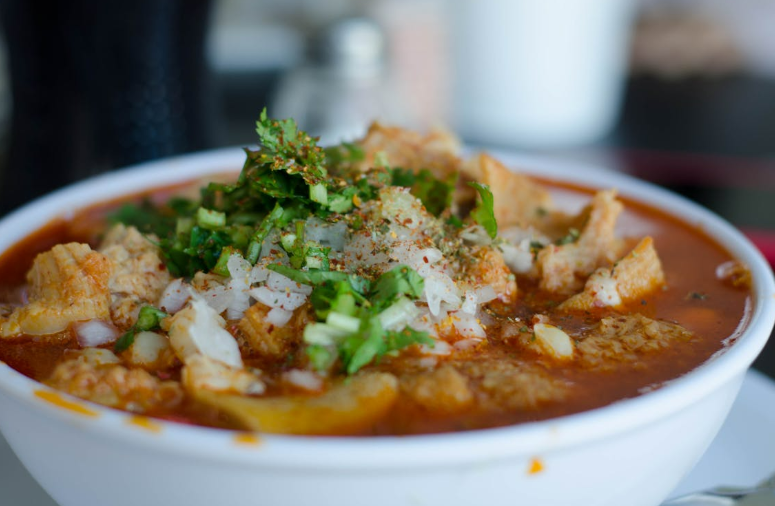
Menudo Cuts: Kasim vs Pigue and How to Choose
Menudo holds a special place in Filipino cuisine as a beloved comfort food that graces both everyday tables and festive gatherings. This tomato-based pork and liver stew, with its vibrant red sauce studded with vegetables and chunks of tender meat, depends heavily on choosing the right cut of pork. Walk into any Filipino kitchen, and you'll likely encounter a spirited debate about whether kasim or pigue makes the better menudo.
Understanding Kasim (Pork Shoulder): The Shoulder Cut
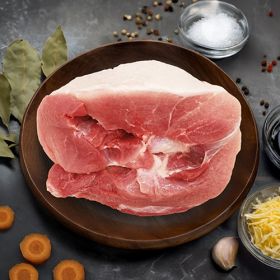
Kasim refers to pork shoulder, a cut from the pig's front leg and shoulder. This hardworking muscle group develops specific characteristics that make it particularly interesting for slow-cooked dishes. At Tenderbites, we offer both kasim skinless for those who prefer leaner preparations and kasim skin-on for cooks who want additional richness and texture options.
The shoulder muscles work constantly throughout the pig's life, resulting in meat with generous marbling and connective tissue running throughout. This might seem like a disadvantage, but for menudo and similar braised dishes, it's actually a benefit. The intramuscular fat and collagen break down during cooking, creating incredibly tender, flavorful meat that doesn't dry out even after extended simmering.
Kasim typically presents a darker color when raw, with visible fat streaks throughout. The texture is firm but not tough, and the meat has a slightly coarser grain compared to cuts from the rear leg. These characteristics influence how Kasim behaves during the cooking process and the final texture it contributes to your menudo.
Getting to Know Pigue (Pork Leg): The Ham Cut
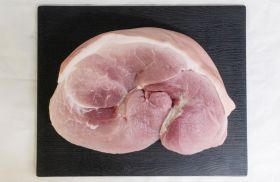
Pigue comes from the pig's rear leg—essentially the ham area. This cut develops differently from kasim due to its location and the different types of work these muscles perform. Pigue skinless is widely available and preferred by many menudo cooks for its particular characteristics.
The rear leg muscles, while still hardworking, tend to be leaner than shoulder meat. Pigue features less intramuscular fat and a finer grain structure, resulting in meat that looks and feels different from kasim even before cooking. The color is typically lighter pink, and the texture is more uniform throughout the cut.
Pigue's lower fat content means it presents differently in the finished dish. The meat maintains a firmer bite even after cooking and, as it becomes tender, offers more resistance than kasim. This textural difference is neither good nor bad—it simply depends on what you're looking for in your menudo.
Fat Content and Texture: The Critical Difference
The most significant distinction between kasim and pigue lies in their fat content and resulting texture, which dramatically affects the menudo experience.
Kasim's generous marbling means the meat essentially bastes itself from the inside during cooking. As the fat renders and the connective tissue breaks down, the meat becomes exceptionally tender—almost falling apart when cooked long enough. This creates menudo with softer meat pieces that blend harmoniously with the sauce. The rendered fat also enriches the tomato sauce, adding body and creating a more luxurious mouthfeel.
Pigue's leaner composition yields firmer meat cubes that retain their shape and distinct texture throughout cooking. Each piece of pork retains a pleasant, meaty bite rather than becoming meltingly tender. The sauce remains somewhat lighter since less fat renders out during cooking. For those who prefer a less rich menudo or are conscious about fat intake, this characteristic is appealing.
The textural difference becomes more pronounced with longer cooking times. Kasim continues to soften and become more tender, while pigue reaches a certain level of tenderness and maintains it, providing consistent texture throughout the dish.
Flavor Profiles in Your Menudo
Beyond texture, each cut contributes different characteristics to menudo.
Kaher, more pronounced pork flavor due to its higher fat content. The fat carries flavor compounds, adding depth to the dish. When combined with menudo's tomato sauce, liver, and seasonings, kasim creates a more intensely flavored, fuller-bodied stew. The rendered fat helps marry all the flavors together, creating a cohesive taste in every spoonful.
Pigue offers cleaner, more straightforward pork flavor. With less fat to carry the flavor compounds, the meat tastes lighter, allowing other ingredients—the tomato sauce, bell peppers, liver, and spices—to shine more prominently. Some cooks prefer this because it creates a more balanced dish where no single element dominates.
Neither flavor profile is superior; the choice depends on whether you want the pork to be a dominant flavor or a supporting player in the overall composition.
Cooking Behavior and Timing Considerations
How each cut behaves during cooking affects both your proKasimand results.
Kasim's connective tissue requires adequate cooking time to break down properly. Rush the process, and you'll end up with tough, chewy meat. However, give it sufficient time—typically 45 minutes to an hour of simmering—and the transformation is remarkable. The forgiving nature of kasim means slight overcooking won't ruin it; the meat simply becomes more tender.
Pigue cooks somewhat faster due to its leaner composition and requires less time to reach ideal tenderness—usually 30-45 minutes of simmering. However, it's also less forgiving if overcooked. Extended cooking can cause pigue to become dry and stringy, requiring more attention to timing. The advantage is that you can prepare menudo more quickly with pigue while still achieving excellent results.
Making Your Decision: When to Choose Which Cut
Your choice between Kasim and Pigue should consider several factors:
Choose Kasim if:
- You prefer tender, melt-in-your-mouth meat texture
- You want rich, full-bodied menudo with more pronounced pork flavor
- You're cooking for a crowd and need forgiving meat that stays good even if dinner is delayed
- You don't mind slightly higher fat content
- You're making menudo for special occasions when richness is desired
Choose pigue if:
- You prefer firmer meat pieces with a distinct bite
- You want lighter menudo where other flavors shine through
- You're conscious about fat intake but still want delicious results
- You prefer faster cooking times with less margin for error
- You're making everyday menudo for regular family meals
Skin-On vs Skinless: Another Consideration
Beyond choosing between Kasim and Pigue, you'll need to decide on skin. Skin-on cuts add another dimension to menudo, contributing a gelatinous texture that enriches the sauce. The skin breaks down during cooking, adding body without greasiness when properly prepared. However, skinless options cook faster and appeal to those who prefer less textural variety in their stew.
For general menudo cut preparations, skinless versions are most common and practical, offering convenience without compromising flavor.
Your Path to Perfect Menudo
At Tenderbites, we offer high-quality kasim and pigue options, prepared by skilled butchers who understand the tenderness required in Filipino cooking. Our facility adheres to strict standards set by the National Meat Inspection Service (NMIS), ensuring proper hygiene and handling from processing through delivery.
Whether you're a traditionalist with strong preferences or still experimenting to find your ideal menudo, having addingo quality porkkes all the difference. While kasim and pigue work beautifully in menudo, remember that other dishes like bistek tagalog require entirely different cuts and preparations, showcasing the wonderful diversity of Filipino cooking.
We transport our products directly to ensure freshness and follow comprehensive food safety procedures, delivering premium quality to your doorstep. Visit Tenderbites to explore our full selection and find exactly what your kitchen needs.
Creating Menudo Magic with the Right Choice
The Kasim versus Pigue debate doesn't have a single correct answer—both cuts make excellent menudo when prepared with care and understanding. Your choice ultimately depends on personal preference, cooking style, and the occasion.
Kasim delivers rich, tender indulgence perfect for special gatherings, while pigue offers lighter, firmer results ideal for everyday cooking. Armed with knowledge about how each cut behaves, you can confidently choose the option that creates your perfect version of this Filipino comfort food classic. Whichever you select, quality sourcing and proper preparation ensure your menudo becomes a dish worth gathering around, creating the warm, satisfied feelings that great Filipino food delivers to every table.

-
Pigue - Skin-On₱619.00
-
Pigue - Skinless₱669.00
-
 28 August 2025
Your Guide to Delicious Dishes with Versatile Kasim Pork
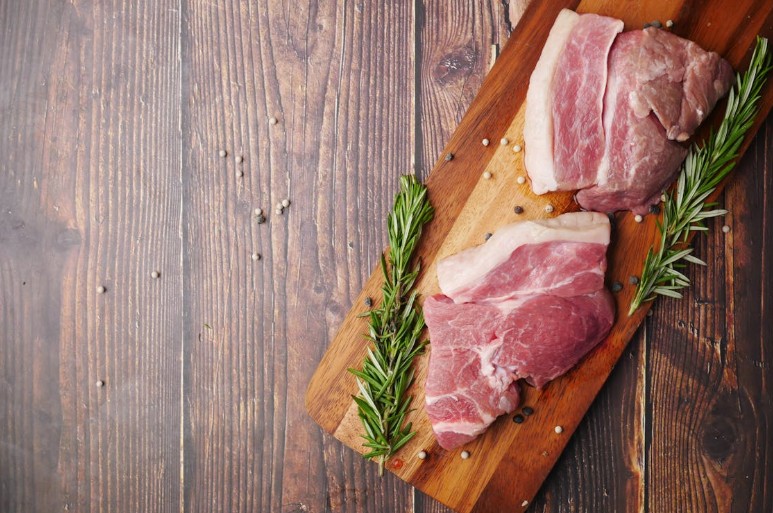
In Filipino households, pork is a staple that finds its way into countless dishes, from savory stews to comforting soups. Among the many pork cuts available, kasim (also known as pork shoulder cut or pork butt) stands out as a top choice for its balance of flavor, tenderness, and value. Whether you're preparing a family favorite like adobo or experimenting with new recipes, pork kasim delivers dependable results without breaking the budget. In this blog, we’ll explore what makes pork kasim so popular in the Philippines, the different ways you can cook it, and why it’s a smart pick for your everyday meals, especially when sourced from a reliable meat shop like TenderBites. What is Kasim Pork? Kasim comes from the shoulder area of the pig, just above the front leg. It’s a well-exercised part of the animal, which means the meat has plenty of connective tissue, marbling, and natural flavor. Unlike leaner cuts that can dry out quickly, kasim stays moist and tender during long cooking times, making it ideal for a wide range of dishes. Because it’s more affordable than pork loin or ribs, kasim is often the go-to for bulk cooking, everyday meals, and gatherings. It delivers both taste and value in every bite. Cooking with Kasim: Classic and Creative Dishes One of kasim’s best qualities is its versatility. Whether you're cooking it low and slow or giving it a quick stir-fry, this cut adapts well to different techniques and flavors. Here are a few tried-and-tested dishes you can make with kasim: Adobo A Filipino classic, pork adobo is perhaps the most beloved way to cook kasim. The combination of vinegar, soy sauce, garlic, and bay leaves brings out the deep flavor of the meat. Thanks to kasim’s marbling, the pork becomes tender and juicy after simmering, soaking up the savory-sour sauce beautifully. Tip: For an extra-rich adobo, brown the kasim pieces first before simmering. This adds depth and a slightly caramelized edge to the dish. Sinigang If you're craving something comforting and sour, sinigang na baboy with kasim is the perfect choice. The slow simmering process tenderizes the pork while infusing the broth with its rich flavor. Pair it with vegetables like kangkong, labanos, and sitaw for a hearty, well-rounded meal. Tip: Cut the kasim into medium-sized chunks to strike the right balance between meatiness and tenderness. Stir-Fries While kasim is often reserved for slow-cooked dishes, it can also shine in quick stir-fries. Just slice it thinly against the grain and marinate briefly for flavor. Stir-fried kasim with soy sauce, oyster sauce, and a mix of vegetables is a great weeknight dinner that's easy to whip up. Tip: Look for our skinless kasim cuts, which are perfect for stir-fry recipes and help reduce prep time. Pork Sukiyaki (Filipino Twist) Who says kasim is only for traditional Filipino dishes? You can get creative by incorporating it into dishes like pork sukiyaki. While the classic Japanese version uses thinly sliced beef, a local twist using thinly sliced kasim brings the same savory-sweet satisfaction at a lower cost. Simmer it in a broth made with soy sauce, mirin, and dashi, and serve it with mushrooms, tofu, and vegetables. Tip: Ask your butcher to slice your pork kasim cut thinly for hotpot or sukiyaki-style cooking. Grilled or Skewered Kasim is also a popular choice for grilled dishes, such as pork barbecue skewers. Its natural fat helps keep the meat juicy on the grill. Just marinate the chunks in your favorite barbecue mix and grill until caramelized and lightly charred. Practical Tips for Preparing Pork Kasim Cooking with kasim doesn’t require much to make it taste great, but here are a few helpful tips: Trim excess fat if needed, but don’t remove all of it. The fat adds flavor and moisture. Marinate the meat to enhance its flavor, especially when using it in grilled or stir-fried recipes. Cut against the grain for stir-fry or grilled recipes to make the meat more tender and succulent. Use the right size cuts—larger chunks for stews, thinner slices for quick cooking methods. Cook low and slow for dishes like adobo, sinigang, and braised recipes to break down connective tissue and make the meat tender enough to be fork-tender. Why Buy Kasim Pork from TenderBites? When it comes to making the most of your kasim, quality matters. At TenderBites, we offer fresh, locally sourced pork kasim cuts that are perfect for home cooking. Whether you need them chunked, sliced, or skinless, we’ve got you covered with consistent quality and expert butchery. Ordering from TenderBites means: Custom cuts based on your recipe needs Vacuum-sealed freshness for longer shelf life Convenient same-day or scheduled delivery Trustworthy customer service for a smooth shopping experience Whether you're cooking for your family, meal prepping for the week, or preparing for a get-together, pork kasim is a dependable and flavorful choice. Its balance of tenderness, richness, and affordability makes it a staple in Filipino kitchens, as well as a true cooking essential. With so many ways to prepare it—from adobo and sinigang to stir-fries and even sukiyaki—there’s always a reason to keep kasim on your grocery list. Ready to stock up? Shop high-quality pork kasim cuts from TenderBites today and enjoy versatile, satisfying meals all week long. -
 24 September 2025
What is Pork Kasim? A Beginner’s Guide to This Versatile Cut
Whether you’re cooking a batch of classic adobo, simmering a hearty sinigang, or preparing a sizzling stir-fry, there’s one pork cut you’ll often reach for—pork kasim. Known for its balance of meat and fat, kasim is a popular pork shoulder cut in Filipino households.
In this blog, we’ll take a closer look at the kasim part of pork, how it compares to other cuts like pigue, and why it’s a versatile and affordable choice for everyday meals. We’ll also help you find high-quality pork kasim cuts from trusted sources like TenderBites, available at Unimart at Capitol Commons, The Marketplace Rockwell, or online from our premium choice meat shop.
-
 24 September 2025
Pork Kasim in Tagalog Cuisine: Traditional Dishes You Should Try
When it comes to Filipino home cooking, one meat cut stands out for its versatility, flavor, and tenderness: pork kasim. Found in countless local dishes, kasim has earned its place as a pantry staple across generations. Whether you're simmering a comforting bowl of sinigang or preparing a flavorful adobo, the kasim part of pork is often the go-to choice for its balance of lean meat and fat.
In this blog, we’re diving into the beloved pork kasim cut and showcasing why it’s a favorite in many Filipino households. You’ll also learn where to get high-quality kasim for your next dish, from TenderBites' premium choice meat shop locations such as Unimart at Capitol Commons, The Marketplace Rockwell, or even through our online store.