

What is Pigue and When to Use It in Cooking
Filipino cuisine is built on tradition, flavor, and using the right ingredients. From the rich, savory taste of adobo to the tangy comfort of sinigang, every dish has its secrets—and one of those secrets is choosing the right cut of meat. While many home cooks are familiar with liempo or kasim, there's another cut that deserves attention: pigue.
Pigue is a staple in Filipino kitchens, especially for dishes that need meat with the perfect balance of fat and lean muscle. It's versatile, flavorful, and works beautifully in a wide range of cooking methods. Whether you're slow-braising, frying, or stewing, pigue delivers the texture and taste that make Filipino comfort food so satisfying.
In this guide, we'll explain what pigue is, where it comes from on the pig, and what makes it special. We'll also explore the difference between skin-on and skinless versions, and share the best Filipino dishes where pigue truly shines. If you've been wondering which pork cut to use for your next home-cooked meal, this is your answer.
What is Pigue?
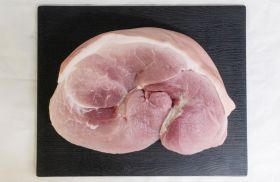
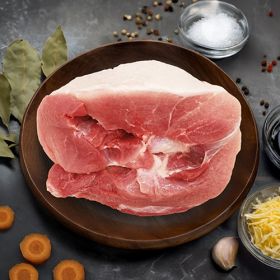
Pigue, also known as pork ham or pata in some regions, refers to the upper portion of the pig's hind leg. This cut comes from the area just above the hock and includes part of the ham section. It's a working muscle, which means it develops flavor well and has a satisfying texture when cooked properly.
What sets pigue apart is its balance. It has enough marbling to stay moist and flavorful during cooking, but it's not as fatty as belly cuts like liempo. The meat is firm with a slightly coarse grain, making it ideal for slow-cooking, braising, or stewing. When cooked low and slow, pigue becomes tender and absorbs flavors beautifully.
At TenderBites, we offer pigue in two varieties: skinless and skin-on. Both have their place in the kitchen, depending on what you're cooking.
Texture and Flavor Profile
Pigue has a meaty, pork-forward flavor that's less rich than belly but more robust than leaner cuts like tenderloin. The texture is firm and slightly chewy when raw, but it transforms beautifully with the right cooking method.
The fat content in pigue is moderate enough to keep the meat juicy without making it overly greasy. When braised or stewed, the connective tissues break down, resulting in tender, pull-apart meat that melts in your mouth. The flavor is clean and versatile, making it a perfect canvas for Filipino seasonings like soy sauce, vinegar, garlic, bay leaves, and peppercorns.
Because pigue comes from a muscle that gets plenty of use, it develops more flavor compared to cuts from less active parts of the pig. This makes it especially good for dishes where the pork is the star ingredient.
Skinless vs. Skin-On Pigue: Which Should You Choose?
Both versions of pigue have their advantages, and the choice depends on the dish you're preparing.
Pigue Skinless
Skinless pigue is the more versatile option for everyday cooking. Without the skin, the meat absorbs marinades and seasonings more easily, making it perfect for dishes like adobo, menudo, and caldereta. It's also quicker to cook and easier to eat, especially for dishes that call for tender, bite-sized pieces.
Skinless pigue is ideal for braising, stewing, or making saucy Filipino dishes where the focus is on the meat absorbing the flavors.
Pigue Skin-On
Skin-on pigue is a game-changer for dishes where crispy skin is the goal. Think lechon kawali, bagnet, or crispy pata. The skin adds a layer of fat that renders down during cooking, basting the meat and creating that irresistible crunch when fried.
Cooking skin-on pigue requires a bit more technique—usually boiling first to tenderize the meat, then frying or roasting to crisp up the skin. But the payoff is worth it: crackling skin with juicy, flavorful meat underneath.
If you want the best of both worlds, you can even use skin-on pigue for braised dishes and enjoy the soft, gelatinous texture the skin develops in stews.
Best Filipino Dishes to Use Pigue In
Pigue's versatility makes it suitable for many Filipino favorites. Here are the dishes where it truly shines:
1. Adobo
Adobo is the ultimate Filipino comfort food, and pigue is one of the best cuts for it. The meat holds up well to the long braising process, absorbing the tangy-savory flavors of soy sauce, vinegar, and garlic. As it simmers, pigue becomes tender and packed with flavor.
For adobo, skinless pigue works best. Cut it into chunks, brown the pieces first for extra depth, then simmer in your adobo sauce until tender. The result? Melt-in-your-mouth pork that's rich, savory, and perfect with steamed rice.
Want more tips? Check out our guide on the best pork cuts for adobo, sinigang, and menudo for expert recommendations.
2. Sinigang
Sinigang is all about that balance of sour and savory, and pigue adds the perfect meaty richness to the broth. The cut holds up well in boiling liquid and releases flavor into the tamarind-based soup without falling apart.
Use skinless pigue cut into medium chunks. The fat content keeps the meat juicy even after extended simmering, and the flavor complements the soup's tanginess. Serve with plenty of vegetables like kangkong, radish, and eggplant.
3. Menudo
Menudo is a hearty tomato-based stew filled with pork, liver, potatoes, and bell peppers. Pigue's firm texture makes it ideal for this dish—it retains its shape during cooking and absorbs the rich tomato sauce.
Cut the pigue into cubes and sauté with garlic and onions before adding the tomato sauce. The meat becomes tender as it braises, and the flavors meld together into a comforting, savory dish that pairs perfectly with rice.
4. Lechon Kawali
For crispy pork perfection, skin-on pigue is the way to go. Lechon kawali requires pork with skin that can crisp up beautifully, and pigue delivers exactly that.
The process involves boiling the pigue with aromatics until tender, letting it dry, then deep-frying until the skin turns golden and crackling. Serve with liver sauce or a spicy vinegar dip, and you have a dish that's crispy on the outside, tender on the inside, and absolutely irresistible.
5. Caldereta
Caldereta is a rich, tomato-based stew with liver paste that gives it a deep, savory flavor. Pigue works wonderfully here because it's meaty enough to stand up to the bold sauce while staying tender.
Use skinless pigue, cut into chunks, and braise it slowly with tomatoes, liver spread, bell peppers, and potatoes. The result is a hearty, flavorful stew that's perfect for family gatherings.
6. Nilaga
Nilaga is a simple, comforting soup of boiled pork and vegetables. Pigue's natural flavor shines in this dish, with a focus on clean, straightforward flavors.
Simmer skinless pigue with onions, peppercorns, and fish sauce until tender. Add cabbage, corn, and potatoes for a wholesome, satisfying meal. The pigue releases its flavor into the broth, creating a light yet flavorful soup that's perfect on rainy days.
7. Humba
Humba is a Filipino-Chinese braised pork dish with a sweet and savory flavor profile. It's similar to adobo but includes fermented black beans, sugar, and sometimes pineapple.
Pigue's texture is perfect for this long-braised dish. The meat becomes incredibly tender and absorbs the sweet-salty sauce beautifully. Use skinless pigue, cut into large chunks, and braise until the sauce thickens and coats the meat.
Cooking Tips for Pigue
To get the best results from your pigue, keep these tips in mind:
- Cut against the grain – For tender bites, slice pigue against the muscle fibers, especially if you're cutting it into smaller pieces.
- Marinate for flavor – While pigue has a good natural flavor, marinating it for at least 30 minutes (or overnight) enhances it further.
- Brown the meat first – For dishes like adobo or caldereta, browning the pigue before braising adds depth and richness to the final dish.
- Cook low and slow – Pigue benefits from slow cooking methods like braising or stewing. Low heat breaks down connective tissue, making the meat tender.
- For crispy skin, dry it well – If you're making lechon kawali with skin-on pigue, make sure to dry the skin thoroughly after boiling. This helps achieve that perfect crackling texture.
- Don't overcrowd the pot – When frying pigue, cook in batches to ensure even browning and crisping.
Pre-Cut Options for Convenience
If you're looking for ready-to-cook options, TenderBites also offers adobo cut pork. These pre-cut pieces are perfectly sized for adobo and other braised dishes, saving you prep time while ensuring consistent cooking.
Where to Buy Fresh Pigue
The quality of your pigue makes all the difference. Fresh, properly butchered meat ensures better texture, flavor, and cooking results.
At TenderBites, we take pride in offering premium pork cuts that meet the strictest standards. Our facility is regulated by the National Meat Inspection Service (NMIS), and we adhere to rigorous hygiene and sanitation protocols for processing and packaging. Our skilled butchers carefully prepare each cut, and we can provide custom cuts to meet your specific needs.
Visit us at:
- Unimart at Capitol Commons
- Unimart Greenhills
- The Marketplace Rockwell
Or, for convenience, order online from our website and have it delivered fresh to your doorstep.
Ready to Cook with Pigue?
Pigue is one of those underrated cuts that deserves more attention in Filipino kitchens. Its balance of flavor, texture, and versatility makes it perfect for a wide range of dishes, from the tangy comfort of sinigang to the crispy indulgence of lechon kawali. Whether you choose skinless for braising or skin-on for frying, pigue delivers consistent, delicious results every time.
At TenderBites, we're committed to providing you with the freshest, highest-quality pork cuts available. Our team is here to help you choose the right cut for your dish and ensure every meal you prepare at home is as good as possible.

-
Pigue - Skin-On₱619.00
-
Pigue - Skinless₱669.00
-
 22 October 2025
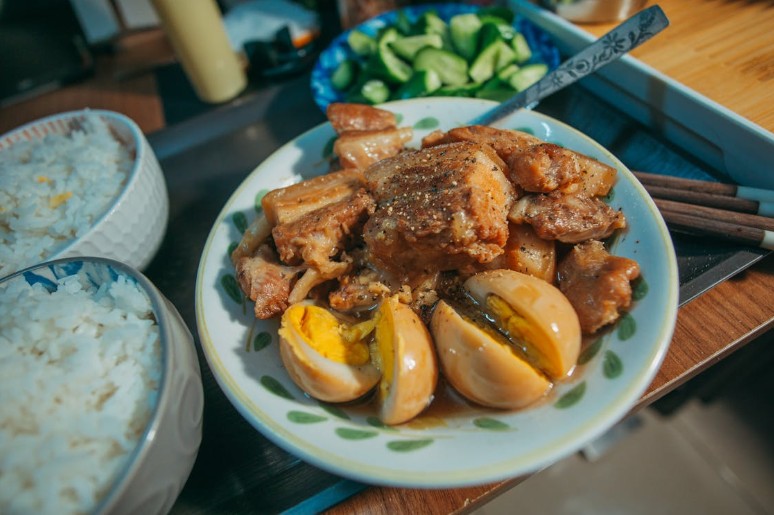
The Best Pork Cuts for Adobo, Sinigang, and Menudo
Pork is at the heart of many Filipino dishes, from slow-simmered adobo to crispy liempo. Choosing the right cut can make a world of difference in flavor, texture, and overall cooking results. In this guide, we’ll focus on three iconic cuts—pork kasim, pigue, and liempo—and how you can prepare them for your favorite recipes.
Whether you’re shopping at your local meat shop or ordering from TenderBites for pick-up at Unimart Greenhills, Unimart at Capitol Commons, or The Marketplace Rockwell, understanding these cuts will help you bring out the best in your home-cooked meals.
-
 4 February 2026
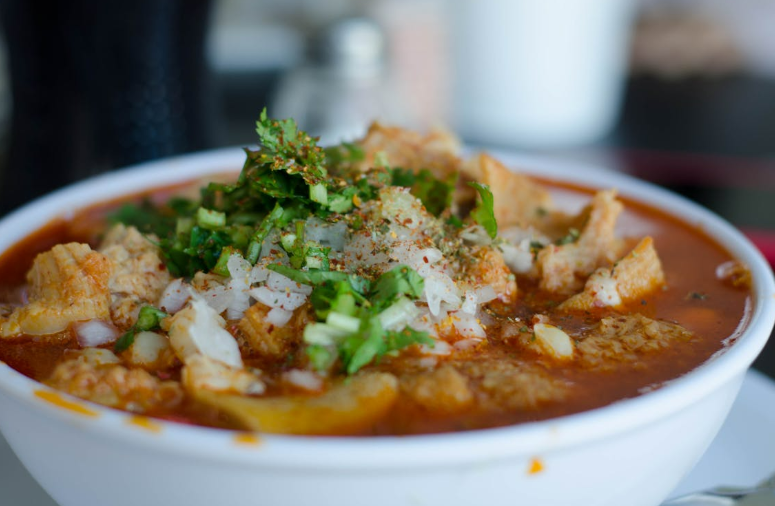
Menudo Cuts: Kasim vs Pigue and How to Choose
Menudo holds a special place in Filipino cuisine as a beloved comfort food that graces both everyday tables and festive gatherings. This tomato-based pork and liver stew, with its vibrant red sauce studded with vegetables and chunks of tender meat, depends heavily on choosing the right cut of pork. Walk into any Filipino kitchen, and you'll likely encounter a spirited debate about whether kasim or pigue makes the better menudo.