
Filipino-Style Corned Beef: Local vs Imported Taste Test
Corned beef holds a special place in the Filipino kitchen. From quick sinangag breakfasts to slow-simmered ulam on rainy afternoons, it has become one of the most reliable sources of protein in the household pantry. But with a growing number of imported options now sitting alongside homegrown brands on supermarket shelves, a real question has emerged: does imported corned beef actually taste better, or is the local version simply more suited to Filipino palates? The answer depends on more than just flavor alone.
What Makes Corned Beef "Filipino-Style"
Filipino-style corned beef is distinct from its Western counterparts in several ways. While traditional corned beef in countries like the United States refers to a salt-cured brisket slab — often served sliced alongside cabbage — the Filipino version is typically a soft, shredded, and saucy preparation sold in cans or prepared fresh. It's seasoned to be savory and mildly sweet, sometimes cooked with onions, garlic, potatoes, and even a hint of soy sauce or tomatoes, depending on the household.
The key characteristic of Filipino corned beef is its versatility. It can be a breakfast silog topping, a quick lunch filling for pandesal, or a component in a hearty one-pan dinner. Understanding what each product brings to these dishes matters before picking a side in thelocal-versus-importedd debate.
Local Corned Beef: Flavor Profile and Value
Local brands have dominated Filipino pantries for decades. They are formulated specifically to match the Filipino taste preference — a savory, slightly sweet profile with a soft, almost spreadable texture. Brands like Argentina, Delimondo, and Palm Corned Beef represent a wide spectrum within the local market, from budget-friendly options to artisanal small-batch versions.
Taste and texture: Local corned beef tends to be softer and more homogeneous in texture. The meat is finely shredded and blends easily with garlic and onions during sautéing. The flavor is rounded, familiar, and designed for comfort eating.
Value: Local options are significantly more affordable per gram compared to imported varieties. For everyday cooking, they deliver consistent results without stretching the grocery budget.
Drawbacks: The lower price point often means higher fat content, more preservatives, and less visible whole-muscle meat. Some premium local brands have addressed this, but mid-range options still reflect trade-offs.
Imported Corned Beef: Texture, Meat Quality, and Price
Imported corned beef — whether from Australia, the US, New Zealand, or Europe — often refers to either canned varieties or vacuum-packed cured brisket cuts. The canned versions from brands like Hormel or Hereford have a coarser, chunkier texture with more distinguishable meat fibers. The beef-to-fat ratio is generally leaner, and the salt content can be noticeably higher.
Taste and texture: Imported canned corned beef tends to have a more pronounced, salty, and meaty flavor. The texture is firmer and chunkier, which some cooks prefer when making hash or frittatas. However, for traditional Filipino recipes, this coarser texture can feel out of place.
Imported cured brisket: When we move beyond canned products to actual cured whole cuts, the experience changes entirely. A properly brined brisket — like those available from quality butcher shops — offers deeper beefy notes, a pinkish interior, and a tenderness achieved through slow cooking. This version is what purists in Western cuisine recognize as "true" corned beef.
Price: Imported products cost considerably more. A single canned unit can be two to three times pricier than a local equivalent, while whole imported brisket cuts can be even pricier.
Cooking Performance: Which Works Better in Filipino Recipes
This is where the comparison gets practical. Filipino corned beef dishes range from ginisang corned beef (the classic sauté) to corned beef sopas and even corned beef omelets. Each preparation interacts with ingredients differently.
For ginisang corned beef, local brands perform better. Their softer texture integrates more smoothly with sautéed aromatics, and the mild sweetness balances garlic-forward flavor. Imported canned versions, with their saltier, chunkier profile, can overpower the dish or produce a drier texture.
For corned beef hash or Western-style preparations, imported chunky varieties shine. The larger meat fibers hold their shape better in the pan and develop a satisfying crust when pan-fried.
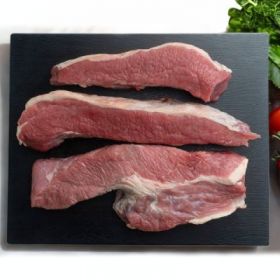
For slow-cooked whole brisket, sourcing a quality cured or fresh brisket is the only real path. If you're working with actual meat rather than canned products, the sourcing matters enormously. Fresh brisket from a trusted butcher — the kind you can have delivered directly to your door — gives you full control over the cure, seasoning, and cook time.
Making Corned Beef from Scratch at Home
More Filipino home cooks are now curing their own brisket, and the results are worth the effort. A basic home cure involves:
- Select a well-marbled brisket flat or point cut.
- Prepare a brine using kosher salt, curing salt (pink salt), sugar, bay leaves, peppercorns, and aromatics like cloves and garlic.
- Submerge the brisket in the brine for 5 to 7 days in the refrigerator, turning it daily.
- Rinse thoroughly before cooking.
- Simmer low and slow at 85–90°C for 3 to 4 hours until fork-tender.
The result is a deeply flavored, tender cut that outperforms any canned product. Understanding your base cut is essential — a beginner's look at pork kasim and shoulder cuts reveals how the logic of connective tissue and fat distribution applies similarly to brisket preparation.
Price vs. Quality: Finding the Right Balance
The local vs. imported debate ultimately circles back to purpose. If you're feeding a family on a budget weekday morning, a local can of corned beef delivers. If you're hosting a weekend handaan and want to serve something memorable — a slow-braised homemade corned beef brisket with cabbage and potatoes — then investing in a quality cut is worth every peso.
Filipino cuisine is rooted in resourcefulness and flavor. The same ingenuity that elevated oxtail into the beloved kare-kare, as explored in classic Filipino stews and their rich traditions, applies here. Budget and premium options each have a legitimate place at the Filipino table.
Local or Imported — Know Your Corned Beef
The choice between local and imported corned beef isn't about which is superior — it's about which is right for the dish and the occasion. Local brands offer convenience, familiarity, and everyday value, while imported canned versions suit heartier, Western-style preparations. For the most rewarding experience, curing a whole brisket at home gives you full control over flavor, texture, and quality that no canned product can replicate.
Understanding the meat itself is always the starting point. Whether you're exploring whole cuts, specialty preparations, or simply looking for fresh sourcing options, Visit TenderBites for a full range of premium cuts and butcher expertise tailored to Filipino kitchens.

-
Brisket Boneless₱829.00
-
Premium Brisket₱969.00