Lamb vs Mutton vs Goat: What's the Difference and Which One's Right for You?
Walking into a meat market or browsing an online meat shop, you might find yourself confronted with choices that seem similar but carry different names: lamb, mutton, and goat. Are they the same? Different? Which one should you choose for your recipe? At Tenderbites, we understand that choosing the right meat can make or break a dish, so we're breaking down the distinctions between these three options to help you make informed decisions that elevate your cooking.
Understanding the Basics: Age Matters
The fundamental difference between lamb and mutton isn't the breed or type of animal—it's age. Both come from sheep, but the timing of harvest dramatically affects their characteristics.
Lamb refers to meat from young sheep, typically less than one year old. In many markets, lamb is further categorized: "spring lamb" comes from sheep 3-5 months old, while "lamb" generally refers to animals under 12 months old. This young age results in tender, mild-flavored meat with fine-grained texture.
Mutton comes from mature sheep, usually over two years old. In some definitions, "yearling mutton" refers to sheep between one and two years old, while "mutton" specifically means sheep over two years. The extended life allows the meat to develop a stronger flavor and firmer texture.
Goat meat, on the other hand, comes from an entirely different species. Like sheep, age affects goat meat quality: "kid" or "cabrito" refers to young goats (under one year), and "chevon" or simply "goat" indicates mature animals. However, goats have distinct characteristics regardless of age.
Flavor Profiles: From Mild to Bold
The flavor differences between these three meats are significant and influence which recipes suit each best.
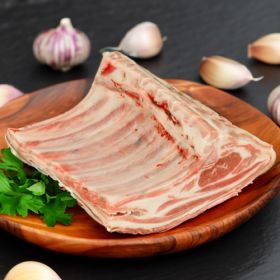
Lamb offers the mildest flavor of the three, with a subtle sweetness and delicate taste that many compare to a cross between beef and venison, but gentler. Premium cuts like lamb rack showcase this mild, refined flavor beautifully, making lamb an excellent choice for those new to eating sheep or goat meat. The fat in lamb carries much of its distinctive taste, described as grassy or slightly gamy by some, but remains approachable even to conservative palates.
Mutton presents a much stronger, more assertive flavor. The meat has a robust, distinctive taste that some describe as "sheepy" or intensely gamy. This bold character can be polarizing: those who appreciate it find it rich and deeply satisfying, while others find it overwhelming. The fat in mutton carries an even stronger flavor than lamb, which is why it's often trimmed more aggressively before cooking.
Goat meat occupies an interesting middle ground. It's stronger than lamb but typically milder than mutton, with a slightly sweet, earthy flavor. Notably, goat is much leaner than either lamb or mutton, which affects both taste and cooking methods. The flavor is often described as similar to venison or lean beef, with a subtle sweetness that pairs beautifully with bold spices and marinades.
Texture and Tenderness
Texture varies significantly among the three, influencing preparation methods and cooking times.
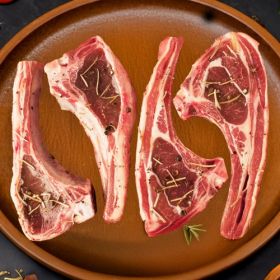
Lamb's youth means naturally tender meat with fine muscle fibers. Cuts like lamb chops require minimal cooking time and remain tender even with simple preparation methods. The meat is also well-marbled with intramuscular fat, keeping it moist during cooking. This tenderness makes lamb forgiving for inexperienced cooks.
Mutton, having had more time to develop muscle, is considerably tougher and requires longer cooking times to break down connective tissue. However, this shouldn't be seen as a disadvantage since the extended cooking time allows mutton to develop incredibly rich, complex flavors. When properly prepared using slow-cooking methods, mutton becomes fall-apart tender and deeply satisfying.
Goat meat tends to be lean and can become tough if not cooked properly. The lack of intramuscular fat means goats benefit from either quick, high-heat cooking for tender cuts or long, slow braising for tougher portions. The texture is closer to venison than lamb, with a pleasant chew when cooked correctly.
Best Cooking Methods for Each
Choosing the right cooking method maximizes each meat's potential.
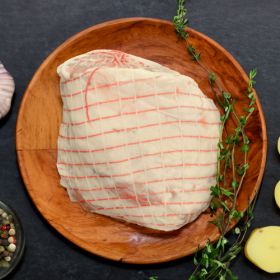
For Lamb: Its tenderness and mild flavor make it incredibly versatile. Rack of lamb and chops excel with quick, high-heat methods like grilling, pan-searing, or roasting. These cuts can be served medium-rare, showcasing the meat's delicate flavor and tender texture. Larger cuts like boneless lamb shoulder benefit from slow-roasting or braising, which allow the meat to become melt-in-your-mouth tender while developing deeper flavors. Lamb also works beautifully in Mediterranean and Middle Eastern preparations with herbs like rosemary, thyme, and mint.
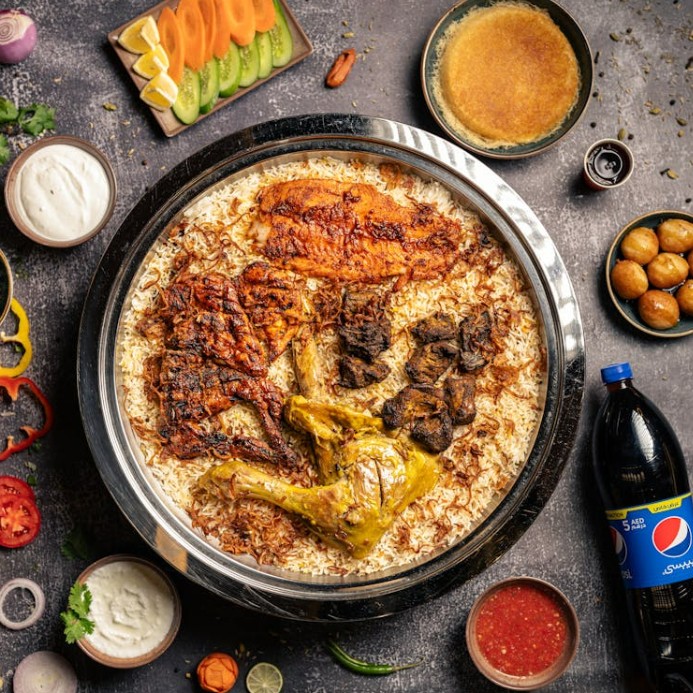
For Mutton: Embrace slow-cooking methods. Braising, stewing, and slow-roasting are your friends here. Indian curries, Irish stew, and Middle Eastern dishes often feature mutton because they require long cooking times and bold spices that complement mutton's strong flavor. The extended cooking breaks down tough connective tissue, creating fork-tender meat with incredibly rich sauce. Ground mutton works well in keema, shepherd's pie, and other dishes where the strong flavor is an asset.
For Goat: Given its leanness, goat requires careful cooking to avoid dryness. Tender cuts benefit from quick grilling or stir-frying, preferably marinated first to add moisture and flavor. Tougher cuts shine in curries, stews, and braises, where liquid keeps the meat moist during extended cooking. Goat is extremely popular in Caribbean, Mexican, Indian, and Filipino cuisines, often prepared with bold, spicy marinades that complement its distinctive taste. Dishes like kaldereta, curry goat, and birria traditionally use goat meat.
Cultural and Culinary Contexts
Each meat holds different positions in various culinary traditions, which can guide your choices.
Lamb dominates Mediterranean, Middle Eastern, and European cuisines. Greek souvlaki, French rack of lamb, Turkish kebabs, and British roast lamb all celebrate this tender, mild meat. In these contexts, lamb is often the default choice for special occasions and Sunday dinners.
Mutton, while less popular in Western countries today, remains important in British, Irish, Indian, and Pakistani cuisines. Traditional dishes developed when sheep were raised primarily for wool, with meat coming from older animals. These recipes celebrate mutton's robust flavor rather than trying to mask it.
Goat is the world's most widely consumed red meat, popular across Africa, Asia, the Caribbean, and Latin America. In the Philippines, goat features in dishes like kaldereta and papaitan. Its prominence in diverse cuisines means countless traditional recipes exist for preparing it deliciously.
Making Your Choice: Which Meat When?
Consider these factors when deciding:
Choose lamb if:
- You're new to eating sheep or goat meat
- You want tender meat with quick cooking times
- You're preparing elegant dishes for special occasions
- You prefer milder flavors
- You're cooking for conservative or adventurous eaters alike
Choose mutton if:
- You enjoy bold, distinctive flavors
- You're making traditional stews, curries, or braised dishes
- You appreciate the economy of less expensive cuts
- You have time for slow-cooking methods
- You want deeply flavorful, hearty meals
Choose goat if:
- You're looking for lean red meat options
- You're preparing traditional Caribbean, Mexican, or Filipino dishes
- You enjoy meat with character, but not as strong as mutton
- You want to explore global cuisines authentically
- You're health-conscious but want flavorful red meat
Finding Quality at Tenderbites
At Tenderbites, we offer premium lamb selections that showcase the best this tender meat has to offer. Our meat selection is carefully curated to provide top-quality options for every cooking need, and we're constantly expanding our offerings with new products to meet our customers' diverse culinary interests.
All our meat is processed in accordance with strict standards set by the National Meat Inspection Service (NMIS), with careful attention to hygiene and sanitation. Our skilled butchers can prepare custom cuts to your specifications, whether you need specific thicknesses, boneless options, or special preparations for your recipes.
We transport our products directly to stores and follow comprehensive food safety procedures, ensuring you receive the freshest, highest-quality meat delivered straight to your doorstep.
Elevate Your Cooking with the Right Choice
Understanding the differences between lamb, mutton, and goat empowers you to make better cooking decisions and explore new culinary territories. Each meat brings unique characteristics to the table, and choosing the right one for your recipe and preferences ensures delicious results. Whether you're drawn to lamb's tender elegance, mutton's bold character, or goat's lean intensity, quality sourcing makes all the difference. With Tenderbites' commitment to premium meat and expert butchering, you're equipped to explore these flavors with confidence and create memorable meals that celebrate the diversity of red meat.

-
Lamb Chop₱2,509.00
-
Lamb Boneless Shoulder₱1,649.00
-
Lamb Rack₱2,509.00