
The Best Meat Cuts for Kare-Kare (With or Without Atsuete)
Kare-kare is one of the most beloved dishes in Filipino cuisine — a slow-cooked stew built on a thick, nutty peanut sauce that clings to every piece of tender meat and vegetable on the plate. Whether it's served at a Sunday handaan or a festive fiesta spread, the dish commands attention. But before the bagoong even hits the table, the most important decision you'll make is which cut of meat to use. The right choice can mean the difference between a kare-kare that falls apart beautifully and one that ends up chewy and disappointing.
Why the Meat Cut Matters in Kare-Kare
Kare-kare is a braising dish at heart. It relies on long, slow cooking at low heat to break down tough connective tissues and collagen into a silky, gelatin-rich sauce. This means fatty, collagen-heavy cuts outperform lean ones in this recipe. Cuts like tenderloin or striploin — ideal for grilling — would dry out and lose their character in a long braise. What you want are cuts that actually improve with extended cooking time.
The richness of the peanut sauce also benefits from the fat rendered during cooking. A well-chosen cut contributes body, flavor, and texture that no amount of extra peanut butter can replicate.
The Classic Choice: Oxtail
No cut is more synonymous with kare-kare than oxtail. The combination of bone, marrow, tendon, and well-marbled meat makes it a natural fit for long braising. As it cooks, the collagen in the joints slowly melts into the sauce, giving it that signature thick, glossy consistency. The meat itself becomes tender enough to pull away from the bone with gentle pressure.
Oxtail does require patience — expect at least two to three hours of simmering, or significantly less if you use a pressure cooker. The result, however, is deeply flavorful and worth the effort. If you want to understand more about why oxtail works so well in Filipino stews, this exploration of oxtail in classic Filipino cooking provides valuable context.
Beef Tripe: The Traditional Companion
In many traditional kare-kare recipes, oxtail is cooked alongside beef tripe. Tripe adds a distinct chewiness that contrasts nicely with the soft, braised texture of oxtail. It also absorbs the peanut sauce and aromatics deeply, carrying the flavor in a different but equally satisfying way.
Tripe does require proper cleaning and pre-cooking before it goes into the pot. Blanching it once or twice helps remove any strong odors and starts the tenderizing process. If you're unfamiliar with the ingredient, understanding what beef tripe is and how it fits into Filipino cuisine is a helpful starting point.
For those who want to be precise about which type they're buying, there's also a meaningful distinction between ox tripe and regular beef tripe. A comparison of ox tripe versus beef tripe can help you decide which works better for your recipe.
Pork Cuts as a Budget-Friendly Alternative
Not every kare-kare needs to be built around beef. Pork kasim (shoulder) is an excellent and widely used alternative that delivers the same braised tenderness at a lower price point. The shoulder has good fat marbling and enough connective tissue to hold up through long cooking, resulting in soft, juicy chunks that absorb the peanut sauce well.
Pork belly is another option, particularly for those who prefer a richer, fattier result. The layers of fat render during braising, adding depth to the sauce. Those who cook kare-kare regularly often combine pork kasim with pork belly for balance — the shoulder provides structure, and the belly provides richness.
If you're exploring what else kasim can do beyond kare-kare, a full guide to cooking with pork kasim covers its range of applications in Filipino and international dishes. TenderBites carries both cuts and can slice them to your preferred thickness or portion size.
Cooking Kare-Kare With or Without Atsuete
Atsuete (annatto seeds) is traditionally used to give kare-kare its warm, reddish-orange color. It doesn't contribute much flavor on its own, but it signals authenticity and is deeply tied to the dish's visual identity.
With atsuete: Soak the seeds in warm water for about five minutes, then strain the liquid directly into the pot. This gives a natural, earthy hue without artificial coloring.
Without atsuete: The dish is still completely valid. Many home cooks skip it entirely, especially when it's not available. The flavor profile doesn't change significantly — the peanut sauce remains the dominant element. You can also use a tiny pinch of turmeric for a similar golden color if preferred.
Regardless of which route you take, the technique and meat selection matter far more than the color of the final dish.
Tips for Better Kare-Kare at Home
- Pre-boil your meat before starting the braise to remove excess scum and impurities
- Use toasted, ground peanuts or fresh peanut butter for a more complex flavor than store-bought paste alone
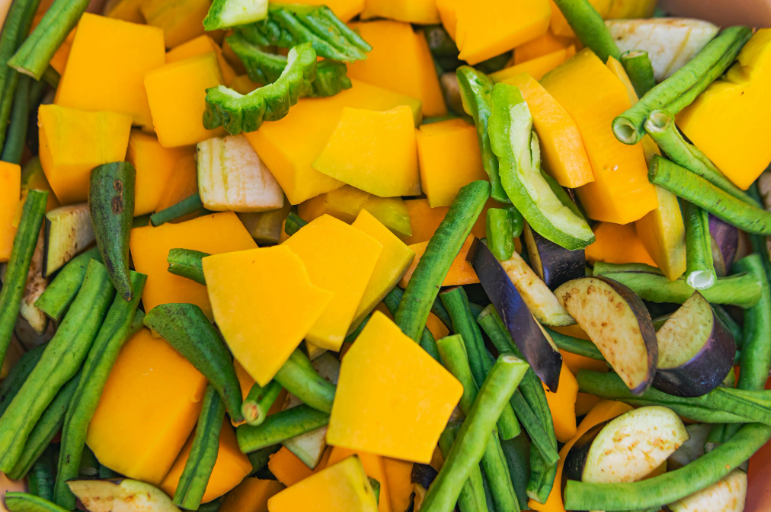
- Add banana blossom (puso ng saging) and eggplant in the last 15–20 minutes to prevent them from overcooking
- Always serve with bagoong alamang — the saltiness balances the richness of the peanut base
- Rest your stew for 10 minutes off the heat before serving to let the sauce thicken naturally
Choosing the Right Cut Makes All the Difference
Kare-kare rewards patience and good ingredients above everything else. Whether you go with oxtail, beef tripe, pork kasim, or a combination, selecting cuts with adequate fat and connective tissue is the single most impactful decision you can make. The atsuete question is secondary — technique and sourcing come first.
Starting with quality meat from a reliable source simplifies everything that follows. Visit TenderBites today to explore our premium selection of fresh, expertly cut meats delivered straight to your door.

-
Ox Tail - Skin-on₱1,249.00
-
Ox Tripe₱649.00


-
 9 September 2025
Oxtails and Tales: Exploring Rich Flavors and Classic Filipino Stews
When it comes to comfort food, few ingredients offer the same richness and depth as oxtail. Known for its gelatinous texture and deep, rich flavor, oxtail has long been a staple in Filipino kitchens, particularly in hearty dishes like kare-kare and slow-simmered stews.
At TenderBites, we know that great meals start with high-quality ingredients. Whether you're shopping at Unimart, browsing at The Marketplace Rockwell, or ordering from our online meat shop in the Philippines, you'll find fresh, expertly cut oxtail that’s ready to elevate your next dish.
In this blog, we’re spotlighting oxtail’s unique taste and texture, sharing a few traditional Filipino recipes you can try at home, and giving you the scoop on the oxtail prices that customers can expect when they shop at TenderBites.
-
 22 October 2025
What is Beef Tripe and Why It’s a Staple in Filipino Cuisine
If you’ve ever enjoyed a warm bowl of kare-kare or a comforting serving of goto on a rainy day, you’ve probably tasted beef tripe. Known locally as tuwalya, this humble yet flavorful ingredient comes from the lining of a cow’s stomach. While it may seem unusual to some, in the Philippines, it’s a cherished part of many traditional recipes. From its unique texture to the depth of flavor it adds to soups and stews, beef tripe holds a special place in our culinary heritage.
In this guide, we’ll explore what makes beef tripe such a staple in Filipino cooking, how to clean and prepare it properly, and why TenderBites’ fresh cuts are the ideal choice for home chefs who want to bring out its best qualities.