
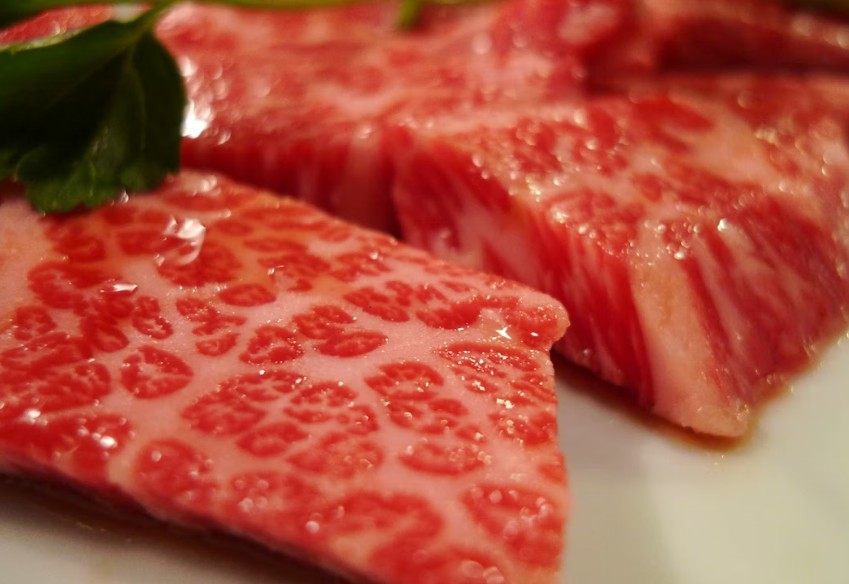
Understanding Wagyu Grades and What Makes A5 Special
If you’ve ever browsed the premium beef section of your favorite meat shop or scrolled through an online catalog, chances are you’ve come across the term Wagyu, often followed by words like "A5," "Japanese," or "premium steak." But what exactly does it all mean? Why does Wagyu beef command a higher price, and what makes A5 Wagyu the gold standard in fine dining?
In this blog, we break down the Wagyu grading system, explaining the qualities that define A5 Wagyu beef, and help you understand how to identify a truly top-quality Wagyu steak, whether you’re shopping in-store or online at TenderBites.
What Is Wagyu?
Wagyu translates to "Japanese cow." It refers to four native Japanese cattle breeds known for their ability to produce meat with incredible marbling, tenderness, and flavor. These cattle are raised with care and precision, following strict standards that ensure the meat is of the highest quality.
Outside Japan, the term "Wagyu" is sometimes used more broadly to refer to other types of beef. However, Japanese Wagyu beef—especially those graded A4 and A5—still stands out for its unmatched richness and buttery texture.
The Wagyu Grading System: Understanding the Letters and Numbers
Wagyu beef in Japan is graded using a combination of a letter (A, B, or C) and a number (1 through 5).
The Letter Grade (A–C):
This refers to yield or the ratio of usable meat to the total carcass weight.
- A = Highest yield
- B = Average yield
- C = Below average
The Number Grade (1–5):
This reflects meat quality, based on four criteria:
- Marbling (the fine streaks of fat within the muscle)
- Color and brightness of the meat
- Firmness and texture
- Fat color, luster, and quality
Each of these is scored from 1 (lowest) to 5 (highest). To achieve an A5 score, the beef must receive top marks across all four categories.
What Makes A5 Wagyu So Special?
Among all Wagyu grades, A5 Wagyu represents the highest level of quality. Here’s what sets it apart:
Marbling
A5 Wagyu is known for its intense marbling. These are the white streaks of intramuscular fat that melt during cooking. This fat distribution doesn’t just make the beef look beautiful; it also delivers a rich, buttery flavor and melt-in-your-mouth texture.
Tenderness
Thanks to its fine-grained structure and abundant fat, A5 Wagyu beef is incredibly tender, even when cooked at low temperatures. A small slice delivers full flavor, so there’s no need to serve large portions.
Flavor
Unlike ordinary steaks, Wagyu steak—especially A5—has a clean, umami-forward taste that lingers on the palate. The flavor is enhanced by how the fat renders and mingles with the meat during cooking.
Is A5 Wagyu Always Japanese?
Authentic Japanese Wagyu beef must be bred, raised, and processed in Japan under strict regulation. If a beef product is labeled as A5 Wagyu, it is most likely to originate from Japan. You might also see specific region names such as Kobe, Miyazaki, or Omi—all recognized for their superior Wagyu.
Imported Japanese Wagyu often comes with a certificate of authenticity or a nose print tracing the cow’s lineage.
How Much Does Wagyu Cost?
As you’d expect, the quality and exclusivity of Wagyu come at a premium price.
- The price of Wagyu beef varies depending on its origin, grade, and cut. Locally raised Wagyu hybrids tend to be more affordable but still offer excellent flavor and marbling.
- A5 Wagyu price is typically higher due to import costs, certification, and limited availability. These are often sold in small portions, perfect for sharing or a special meal.
- The price of Wagyu steak also depends on the cut. Ribeye and striploin are popular choices, with ribeye offering the richest marbling.
Tips for Buying and Cooking Wagyu
Ready to try Wagyu at home? Here’s what to keep in mind:
1. Start Small
Because of its richness, a little Wagyu goes a long way. Consider sharing a steak and serving it with simple sides, such as steamed rice or sautéed vegetables.
2. Keep It Simple
Let the beef shine, and season only with salt and pepper. Avoid heavy sauces that might overpower its natural flavor.
3. Use Gentle Heat
Wagyu fat melts at a lower temperature than other beef, so use medium or low heat to avoid overcooking. Searing for a short time on each side is usually enough.
4. Let It Rest
As with any steak, resting the meat for a few minutes after cooking helps redistribute juices and preserve its tenderness.
Bring the Wagyu Experience Home with TenderBites
Wagyu beef isn’t just about indulgence. It’s about quality, care, and tradition. Whether you’re curious to try it for the first time or looking to add a premium touch to your next meal, understanding what makes A5 Wagyu special helps you appreciate every bite, from its fine marbling and tender texture to its signature umami flavor.
At TenderBites, we take pride in offering a well-curated selection of Wagyu cuts, including locally sourced options and authentic Japanese Wagyu beef. Whether you’re in the mood for a rich Wagyu steak or want to explore what makes A5 Wagyu beef stand out, our team is here to help you choose the right cut for your needs.
You can shop confidently knowing you're getting top-grade meat that’s expertly prepared and handled with care. With delivery and pickup options available, enjoying restaurant-quality Wagyu at home has never been easier.
Ready to experience the richness of Wagyu? Browse our selection today and find the perfect cut for your next meal.

-
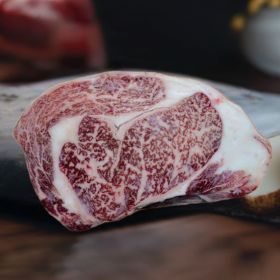
Authentic Japanese Wagyu Ribeye - Grade A5₱13,079.00Out of stock
-
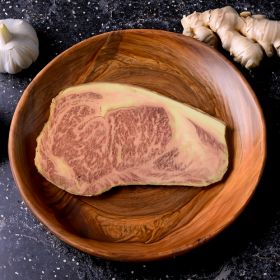
Omi Wagyu Ribeye₱15,179.00
-
 17 September 2025
Your Guide to Buying Wagyu Beef Online in the Philippines: What to Look For
Ordering Wagyu beef online in the Philippines is a convenient way to enjoy restaurant-quality meals at home, but only if you know what to look for. Whether you're planning a special dinner or just want to treat yourself to something rich and satisfying, buying premium meat online doesn’t have to be complicated. -
 15 October 2025
The Real Difference Between Wagyu, Angus, and Prime Beef
Choosing the right cut of beef can make a big difference in your cooking. Whether you're preparing steak for a weekend dinner or planning a special celebration, knowing the key differences between Wagyu, Angus, and USDA Prime beef can help you get the most out of every bite. Each cut has its strengths: some deliver a bold, beefy punch, while others melt in your mouth with a rich, buttery texture.
In this guide, we'll compare these three premium beef types in terms of marbling, flavor, texture, and how they perform in the kitchen. We’ll also help you decide which one is right for your next meal and where to find them at TenderBites, a trusted premium choice meat shop in the Philippines with branches at Unimart Greenhills, The Marketplace Rockwell, and Unimart at Capitol Commons.
-
 15 October 2025
What Makes Japanese A5 Wagyu the Gold Standard for Steak Lovers
If you're looking to treat yourself to an exceptional beef experience, few cuts compare to the melt-in-your-mouth tenderness and rich umami flavor of A5 Wagyu. This highly prized Japanese beef isn’t just a luxury. It’s a culinary experience built on tradition, precision, and quality.
In this guide, we’ll break down the Wagyu beef grading system, what makes A5 Wagyu the highest classification, and how to make the most of this indulgent cut. You’ll also learn where to order beef online and how to get authentic Japanese Wagyu right here in the Philippines.