
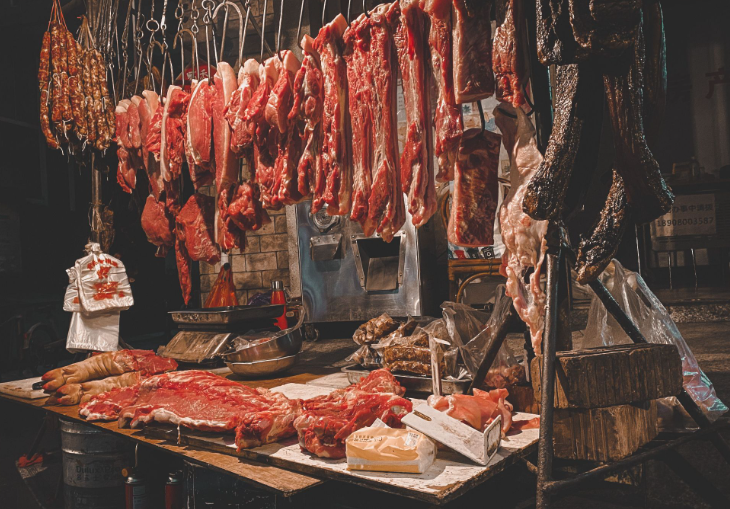
Buying Meat Online in the Philippines: What to Look For
Ordering meat online has become a practical choice for many Filipino households, especially with the rise of reliable delivery services across Metro Manila and beyond. But convenience should never come at the expense of quality. Whether you're preparing a simple pork belly adobo on a weeknight or sourcing a whole ribeye roast for a family handaan, knowing what to look for before you add anything to your cart can save you from disappointing results at the dinner table.
1. Verify the Source and Supplier Reputation
The first thing to check when buying meat online is where the meat actually comes from. Reputable online meat retailers will clearly state whether their products are locally sourced or imported, and from which country or farm. For beef, origin matters significantly. Australian grass-fed beef, USDA Prime, and Japanese Wagyu each carry distinct flavor profiles and quality standards.
Look for suppliers who are transparent about their sourcing. Customer reviews, social media presence, and clear product descriptions are all strong indicators of a trustworthy retailer. A supplier that offers same-day meat delivery in Manila with consistent quality ratings is generally a more reliable choice than one with little to no customer feedback.
2. Understand the Cut Before You Order
Not all cuts are created equal, and buying meat online means you can't physically inspect the marbling, thickness, or fat distribution before purchase. Take time to read product descriptions carefully. A good online butcher shop will describe the cut, its best cooking method, and the approximate weight per pack.
For everyday cooking, knowing the difference between a pork kasim (shoulder) and pork liempo (belly) matters, each suits different preparation styles. For special occasions, premium cuts like tenderloin, striploin, or a bone-in ribeye require different handling and cooking times. If you're planning a roast, understanding how to prepare prime rib can help you select the right cut with confidence.
3. Check Packaging and Cold Chain Standards
This is non-negotiable. Meat is a perishable product, and improper handling during delivery can lead to spoilage, bacterial growth, or loss of quality. Before placing an order, confirm that the retailer uses:
- Vacuum-sealed packaging to preserve freshness and extend shelf life
- Cold chain logistics, meaning the meat stays refrigerated or frozen from the warehouse to your door
- Insulated packaging or dry ice for deliveries during warm weather
A reputable supplier will describe their packaging and delivery process clearly on their website. If this information is absent or vague, that's a red flag worth taking seriously.
4. Know What Freshness Actually Looks Like
Even when shopping online, you can gauge freshness by paying attention to product photos and descriptions. Fresh beef should have a bright red to deep cherry color, while pork should appear pinkish-white. Descriptions that mention "chilled, never frozen" or "delivered fresh within 24 hours of cutting" are signs the retailer takes product integrity seriously.
What to Ask Before Ordering
If a product listing doesn't answer your questions, reach out to the supplier. Reliable retailers will be able to tell you:
- When the meat was cut or processed
- Whether it was previously frozen and thawed
- The expected shelf life upon delivery
This information directly affects how you should store and cook the meat once it arrives at your door.
5. Look for Custom Cutting Options
One of the advantages of ordering from a proper butcher, online or in person, is the ability to request specific cuts and thicknesses. Online meat shops that offer custom butcher services allow you to specify whether you need your striploin cut thick for grilling, your pork belly sliced thin for samgyeopsal, or your sukiyaki beef shaved to a particular width.
This level of service reflects genuine expertise. It also ensures the meat you receive is suited to your recipe rather than forcing you to adapt your cooking to whatever standard cut happens to be available.
6. Consider Specialty Cuts for Special Occasions
Filipino gatherings, whether a fiesta, a birthday handaan, or a weekend pulutan spread, often call for something beyond the everyday. Online retailers that carry specialty items like Wagyu beef, USDA Prime cuts, herbed roasts, or marinated ready-to-cook options give home cooks access to restaurant-quality ingredients without leaving home.
If Wagyu is on your list, it's worth reading up on what differentiates Wagyu grades and sourcing before committing to a purchase. Wagyu in particular varies widely in quality and price, and understanding the grading system helps you make a more informed decision.
Shop Smarter, Cook Better Every Time
Buying meat online in the Philippines doesn't have to be a guessing game. By focusing on supplier transparency, cut selection, cold chain packaging, and freshness standards, you can consistently bring quality ingredients into your kitchen, whether you're cooking for two or feeding a crowd at a family gathering.
The more informed you are as a buyer, the better your results will be at the table. For those looking for a reliable starting point, Visit TenderBites to explore their range of premium cuts, custom butcher options, and delivery services.

-
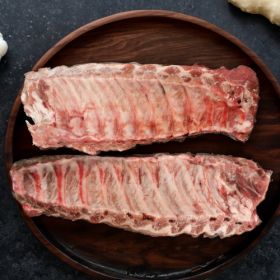
Baby Back Ribs₱879.00
-
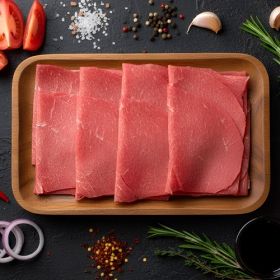
Beef Sukiyaki₱1,119.00
-
 9 September 2025
The Convenience of Meat Delivery in Manila
Grocery shopping has changed. With tighter schedules, growing health concerns, and a growing appreciation for convenience, more households in Manila are turning to trusted online meat shops in the Philippines to stock their kitchens with fresh, high-quality meat.
Whether it’s pork for adobo, beef for weekend roasts, or a quick longganisa delivery for breakfast, having meat delivered to your door isn’t just convenient—it’s also a smart, safe, and reliable way to shop.
At TenderBites, we understand what matters to Filipino families: fresh ingredients, easy ordering, and meat that’s cut, packed, and handled with care. In this blog, we’ll take a closer look at why online meat delivery is gaining ground and how TenderBites makes it easier than ever to bring premium meats to your table.
-
 16 September 2025
Prime and Sublime: Tips for Roasting and Where to Buy Online for Your Next Prime Rib
Planning a special dinner? Few dishes impress quite like prime rib. With its rich marbling, tender texture, and deep, beefy flavor, prime rib is a timeless favourite for holiday feasts, intimate celebrations, and even weekend roasts. Whether you're cooking for the first time or refining your go-to recipe, this guide will walk you through how to prepare prime rib at home, and where to buy prime rib online or in-store through TenderBites.
-
 17 September 2025
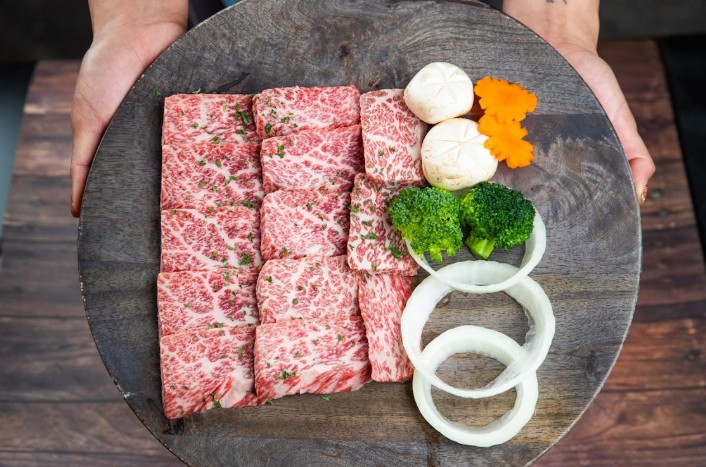
Your Guide to Buying Wagyu Beef Online in the Philippines: What to Look For
Ordering Wagyu beef online in the Philippines is a convenient way to enjoy restaurant-quality meals at home, but only if you know what to look for. Whether you're planning a special dinner or just want to treat yourself to something rich and satisfying, buying premium meat online doesn’t have to be complicated.