
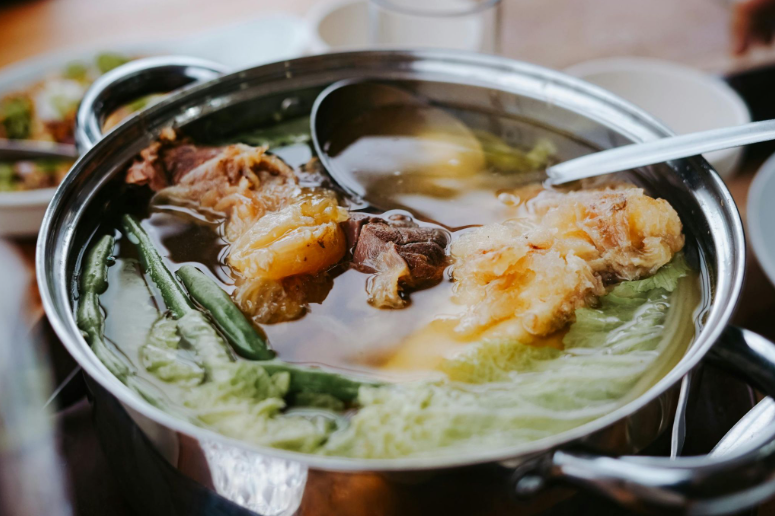
Cooking with Ox Feet: Tips for Rich and Nutritious Broths
Kare-kare is one of those dishes that commands respect at any Filipino table. Whether it's a Sunday lunch, a fiesta spread, or a special handaan, a well-made kare-kare — thick with peanut sauce, loaded with vegetables, and paired with bagoong — signals that someone in the kitchen took their time. But before the sauce, before the annatto, before anything else, the most important decision is the meat. Choosing the right cut determines whether your kare-kare becomes a forgettable bowl or an unforgettable centerpiece.
Why Meat Selection Matters in Kare-Kare
Kare-kare is a slow-cooked stew, which means it rewards cuts that are tough, collagen-rich, and full of connective tissue. As these cuts braise over low heat, the collagen breaks down into gelatin, giving the broth that signature silky, thick body that clings beautifully to the peanut sauce. Leaner cuts may cook faster, but they tend to dry out and lack the depth that makes kare-kare so deeply satisfying.
Understanding this principle will help you make better choices at the palengke or when ordering from a butcher. The best kare-kare is not about using the most expensive cut — it's about using the right one.
Classic Meat Choices: Oxtail and Beef Tripe
Oxtail is the gold standard for traditional kare-kare. Its bone-in structure and high gelatin content produce a broth with incredible body and depth. The meat, when properly braised, pulls away from the bone effortlessly and has a rich, almost buttery texture. For a deeper look at why oxtail is so beloved in Filipino stewing traditions, this piece on oxtail in Filipino stews covers its history and technique well.
Beef tripe is another classic inclusion. It has a unique chewy-tender texture when cooked low and slow, and it absorbs the peanut-based sauce remarkably well. Many home cooks blanch the tripe two to three times before adding it to the stew to remove any strong odors. Beef tripe's role in Filipino cuisine reflects how Filipinos have historically used the whole animal — nothing wasted, everything honored.
Pork Options for a Lighter Kare-Kare
Not every household prefers beef, and pork-based kare-kare has its own loyal following. Two cuts stand out:
- Pork Kasim (shoulder): This cut has a good ratio of fat to meat, making it tender and flavorful after long braising. It's more affordable than oxtail and still delivers a satisfying, rich result. Pork Kasim's versatility makes it a natural fit for stews that need a cut with structure and fat.
- Pork Pata (knuckle): This is perhaps the most festive pork choice for kare-kare. The skin, cartilage, and bone all contribute collagen, creating a sauce that's thick and gelatinous. Pork pata kare-kare is often reserved for fiestas because of its visual impact and crowd-pleasing richness.
Both cuts benefit from an initial blanch to clean the meat before slow-cooking in the peanut broth.
With or Without Atsuete: Does It Change the Meat Choice?
Atsuete (annatto seeds) gives kare-kare its signature deep orange color. Some cooks prefer to skip it for a paler, more neutral-looking stew — but the flavor difference is minimal. Atsuete contributes a very subtle earthiness rather than a strong taste, so the dish's overall profile still depends far more on the peanut sauce and the meat than on the coloring agent.
The meat selection does not change based on whether you use atsuete or not. However, if you're cooking without atsuete, the dish's visual richness will rely entirely on the meat's browning and the peanut sauce's golden hue. In this case, using a fattier cut, such as pork pata or oxtail, helps maintain an appetizing appearance even without the orange tint.
Cooking Tips for the Right Texture
Getting the meat right in kare-kare is largely about time and temperature:
- Blanch before braising. Always start by boiling your chosen cut in plain water for 10–15 minutes, then discarding that water. This removes impurities and reduces gaminess.
- Braise low and slow. Simmer on low heat for at least 2 to 3 hours for oxtail and tripe, or 1.5 to 2 hours for pork shoulder. Pressure cooking can significantly reduce this time.
- Add the sauce last. Make your peanut sauce separately, then combine it with the braised meat toward the end. This preserves the sauce's nutty aroma.
- Rest before serving. Letting the stew sit for 10 minutes off the heat allows the flavors to settle and the sauce to thicken naturally.
TenderBites offers custom butcher cuts and can slice or portion them to your preferred size, which is especially helpful when you're planning the right portions for a large handaan.
Sourcing Fresh Cuts: What to Look For
When selecting meat for kare-kare, freshness and proper handling matter just as much as the cut itself. Look for oxtail pieces that are meaty around the joints, clean, pale tripe, and pork kasim with firm, bright-colored flesh. If you're sourcing from a specialty butcher, you can often request specific thicknesses or portioning — which is where services like TenderBites can be genuinely useful, particularly for large-batch cooking.
Choosing the Right Cut Elevates Everything
Kare-kare is ultimately a dish about patience and good ingredients. The best versions — whether they use oxtail, beef tripe, pork kasim, or pata — share one thing in common: the right cut, cooked the right way. Understanding why collagen-rich meats work best, and how preparation techniques affect the final texture, gives any cook a strong foundation for making this Filipino classic with confidence.
Whether you're cooking with or without atsuete, the meat is always the heart of the dish. Prioritize freshness, take your time with the braise, and don't rush the peanut sauce. For those looking to source quality cuts suited for slow-cooked Filipino stews, Visit TenderBites to explore available options.

-
Regular Pata₱549.00
-
Ox Feet₱569.00
-
Ox Tail - Skin-on₱1,249.00
-
Ox Tail - Skinless₱1,259.00


-
 23 December 2025
A Quick Guide to Ox Tripe vs Beef Tripe: Understanding the Difference
If you've ever browsed the meat section looking for ingredients for your favorite Filipino dishes, such as kare-kare or goto, you may have encountered both "ox tripe" and "beef tripe" labels. Are they different? Which one should you buy? At Tenderbites, we understand that navigating these terms can be confusing, so we're here to clarify the details and help you make the best choice for your recipes.
-
 9 September 2025
Oxtails and Tales: Exploring Rich Flavors and Classic Filipino Stews
When it comes to comfort food, few ingredients offer the same richness and depth as oxtail. Known for its gelatinous texture and deep, rich flavor, oxtail has long been a staple in Filipino kitchens, particularly in hearty dishes like kare-kare and slow-simmered stews.
At TenderBites, we know that great meals start with high-quality ingredients. Whether you're shopping at Unimart, browsing at The Marketplace Rockwell, or ordering from our online meat shop in the Philippines, you'll find fresh, expertly cut oxtail that’s ready to elevate your next dish.
In this blog, we’re spotlighting oxtail’s unique taste and texture, sharing a few traditional Filipino recipes you can try at home, and giving you the scoop on the oxtail prices that customers can expect when they shop at TenderBites.
-
 13 January 2026
Filipino Dishes That Use the Pecho Cut of Beef or Pork
In Filipino cuisine, certain cuts of meat hold special significance, not just for their flavor but for their ability to transform humble ingredients into soul-warming comfort food. The pecho cut, derived from the chest or brisket area of beef or pork, is one such treasure. This underappreciated cut is the secret behind some of the Philippines' most beloved dishes, delivering rich flavor and melt-in-your-mouth tenderness when prepared correctly. At Tenderbites, we celebrate traditional Filipino cooking by providing premium pecho cuts that honor these time-tested recipes.