What is Kenchi Beef and What Can You Cook With It?
If you've ever explored Filipino markets or browsed through specialty meat shops, you may have encountered the term "kenchi beef" and wondered what makes this cut special. Despite being one of the most flavorful and versatile cuts available, kenchi remains somewhat mysterious to those unfamiliar with traditional Filipino cooking. At Tenderbites, we're passionate about helping our customers understand every cut we offer, so let's dive deep into what kenchi beef is, why it's so prized in Filipino cuisine, and how you can transform it into incredible dishes at home.
Understanding Kenchi Beef: The Cut Explained
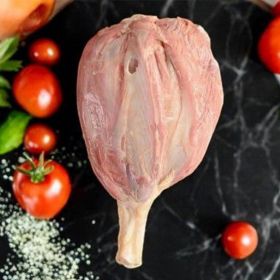
Kenchi beef, also known as beef shank or shin, comes from the lower leg portion of the cow—specifically the area between the knee and the ankle. This is one of the hardest-working muscles in the animal, which means it develops considerable connective tissue, collagen, and a distinctive cross-section of meat surrounding a large marrow bone.
When you look at a cross-cut piece of kenchi, you'll notice the characteristic round bone in the center surrounded by rings of muscle and connective tissue. This structure is what makes kenchi so valuable for certain cooking applications. The bone marrow, in particular, is highly prized for the rich, luxurious flavor and nutrients it releases during cooking.
At Tenderbites, we offer various options, including local baby kenchi from younger cattle, which tends to be more tender and cooks faster, as well as imported baby kenchi for those seeking premium quality with consistent sizing.
Texture and Characteristics
Raw kenchi beef presents a challenge that, with proper cooking, becomes a reward. The meat is notably tough and fibrous when uncooked, with visible connective tissue running throughout. However, this apparent toughness is actually kenchi's greatest asset.
The abundant collagen in kenchi beef breaks down during long, slow cooking into gelatin, creating an incredibly rich, silky texture in broths and sauces. The meat itself becomes fork-tender, practically falling off the bone after sufficient cooking time. Meanwhile, the bone marrow melts into the cooking liquid, adding depth, richness, and a luxurious mouthfeel that can't be replicated with leaner cuts.
The texture transformation is dramatic: what starts as one of the toughest cuts becomes one of the most tender and satisfying when prepared correctly. This is why kenchi is never used for quick-cooking methods like grilling or pan-frying; instead, it shines in slow-cooked preparations.
Bulalo: The Iconic Kenchi Dish
When discussing kenchi beef, it's impossible not to start with bulalo, perhaps the most famous Filipino soup that showcases this cut. Bulalo is a clear beef soup that relies entirely on the quality of the kenchi and the cook's patience.
The dish is deceptively simple: kenchi beef simmered for hours until the meat is tender and the marrow has enriched the broth, then served with vegetables like corn, cabbage, potatoes, and pechay. The resulting soup is clear yet incredibly rich, with a depth of flavor that comes solely from the beef itself, minimal seasoning, and time.
The beauty of bulalo lies in its honesty—there's nowhere for inferior ingredients to hide. This is why starting with quality kenchi from a trusted source makes all the difference. When cooked properly, bone marrow can be scooped out and spread over vegetables or mixed into rice, adding an extra dimension of richness to the meal.
Nilagang Baka: Comfort in a Bowl
Nilagang baka is another Filipino classic that celebrates kenchi beef. Similar to bulalo but often including more vegetables and sometimes with a slightly different preparation method, nilagang baka is the ultimate comfort food.
The kenchi is simmered until tender, along with vegetables such as cabbage, string beans, potatoes, and pechay. Some versions include saba bananas for a touch of sweetness. The long cooking time creates a nourishing broth that's light enough to be enjoyed any time of day yet substantial enough to be a complete meal.
This dish exemplifies Filipino home cooking at its finest: simple, wholesome, and deeply satisfying. It's the kind of meal that mothers make when family members are feeling under the weather or when everyone needs something warm and comforting.
International Inspirations: Beyond Filipino Cuisine
While kenchi beef is a star in Filipino cooking, this cut adapts beautifully to international preparations as well:
Italian Osso Buco: The traditional Milanese dish uses veal shanks, but beef kenchi makes an excellent and more economical substitute. Braised slowly in white wine with aromatics, tomatoes, and vegetables, the kenchi becomes incredibly tender while the marrow adds richness to the sauce.
Korean Seolleongtang: This milky-white bone broth soup relies on bones and kenchi simmered for many hours, sometimes up to 12 hours, until the broth becomes creamy and opaque. The result is a deeply nourishing soup that's believed to have healing properties.
Vietnamese Pho Bo: While oxtail and knuckle bones are traditional, kenchi beef contributes excellent flavor and texture to authentic pho broth. The long simmering required for pho is perfect for extracting every bit of flavor from the kenchi.
Beef Bone Broth: For those interested in nutrient-dense bone broth for health reasons, kenchi is ideal. The bones and connective tissue are exactly what you want for a collagen-rich, mineral-dense broth.
Cooking Tips for Perfect Kenchi Every Time
To get the best results from kenchi beef, keep these tips in mind:
Plan Ahead: Kenchi requires 2-3 hours of simmering for standard cuts and 4-5 hours for optimal tenderness. Pressure cooking reduces this to 45-60 minutes, but may sacrifice some depth of flavor.
Start Cold: Always start kenchi in cold water and bring it to a simmer slowly. This helps extract maximum flavor and creates a clearer broth.
Skim Diligently: During the first 20-30 minutes of cooking, foam and impurities will rise to the surface. Skim these off regularly for a cleaner-tasting, clearer broth.
Don't Rush the Process: Maintain a gentle simmer, never a rolling boil. Aggressive boiling can make the meat tough and create a cloudy broth.
Season Minimally: Kenchi has incredible natural flavor. A little salt, black peppercorns, and maybe some onion and fish sauce are often all you need.
Save the Marrow: Use a small spoon or a knife to extract the marrow from the bone after cooking. It's a delicacy that shouldn't be wasted.
Why Choose Kenchi for Your Kitchen
Kenchi beef offers exceptional value beyond its economical price point. It's one of the most nutrient-dense cuts, rich in collagen, minerals, and amino acids that support joint, gut, and overall wellness. The bone marrow provides healthy fats and nutrients that are increasingly recognized for their nutritional benefits.
From a culinary perspective, kenchi teaches patience and rewards it generously. It's impossible to rush a good bulalo or nilagang baka, and that slow-cooking process creates depth of flavor that quick-cooking cuts simply cannot match.
Bringing Kenchi Home with Tenderbites
At Tenderbites, we take pride in offering premium kenchi cuts that honor Filipino culinary traditions. Our meat selection includes both local and imported options to suit different preferences and budgets. Each cut is carefully selected and prepared by our skilled butchers in accordance with strict standards set by the National Meat Inspection Service (NMIS).
We understand that quality matters when you're investing hours into slow-cooking a dish. That's why we ensure proper handling, storage, and transportation of all our products, delivering them fresh to your doorstep so you can cook with confidence.
Your Next Comfort Food Adventure Awaits
Kenchi beef may require patience and time, but the results are worth every minute. Whether you're making traditional Filipino bulalo, exploring international preparations, or crafting nutrient-rich bone broth, kenchi delivers unmatched flavor and texture, transforming simple ingredients into extraordinary meals. With quality kenchi from Tenderbites and a willingness to embrace slow cooking, you're ready to create the kind of soul-warming dishes that bring families together and create lasting food memories.

-
Kenchi₱879.00