

Beef Short Plate: The Hidden Star of Flavorful Korean BBQ
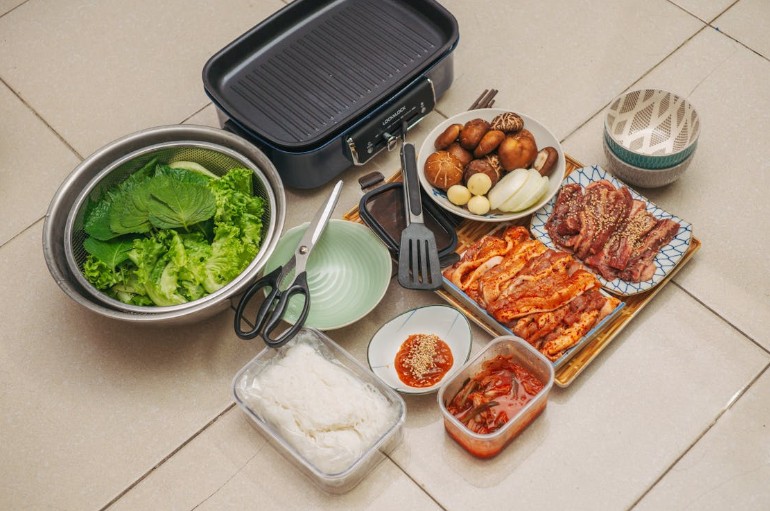
Korean BBQ has taken the Philippines by storm, appearing at everything from casual family dinners to weekend handaan with friends. While cuts like ribeye and wagyu get most of the attention, one cut quietly delivers some of the boldest, juiciest results on the grill: the beef short plate. Affordable, marbled, and deeply flavorful, it's the cut that serious Korean BBQ enthusiasts swear by — and it deserves a much closer look.
What Is Beef Short Plate?
The short plate comes from the lower chest and belly area of the cow, sitting just below the rib section. It's part of the plate primal, a region known for producing cuts with generous fat content and rich, beefy flavor. You'll often see it sold as thinly sliced strips, which is exactly how it performs best — whether it's crisping up on a tabletop grill or soaking in a marinade.
Short plate is also the primary source of skirt steak, one of the most flavorful cuts in butchery. Because of its fat distribution and muscle fiber structure, it absorbs marinades exceptionally well and cooks quickly at high heat — two traits that make it ideal for Korean-style grilling.
If you're curious about how short plate compares to other popular beef options, this guide to different cuts of beef steak breaks down the full lineup and how each cut behaves in the kitchen.
Why It Works So Well for Korean BBQ
Korean BBQ is all about the balance between char and fat. When a short plate hits a hot grill, the intramuscular fat renders quickly, creating that irresistible sizzle and slightly caramelized crust that every griller aims for. The thin slices cook in under two minutes, making the experience fast, interactive, and consistently rewarding.
The cut is also forgiving. Unlike leaner cuts that dry out if left on the grill a second too long, short plate has enough fat to stay juicy even with slightly extended cooking times. For home cooks still getting comfortable with live-fire or tabletop grilling, this is a meaningful advantage.
Its flavor profile is bold and savory, which means it holds its own even with assertive Korean marinades made from soy sauce, sesame oil, garlic, pear or apple for natural tenderizing, and gochugaru for a gentle heat.
How to Slice and Prepare Short Plate at Home
Getting the most out of a short plate starts before the grill is even lit. Proper preparation makes a significant difference in texture and flavor.
- Start with the right thickness. For Korean BBQ, slices between 2mm and 4mm work best. Thinner cuts sear faster and crisp at the edges; slightly thicker ones give a meatier bite.
- Freeze slightly before slicing. If you're slicing at home, refrigerate the meat for 30–45 minutes until it firms up. This makes clean, even cuts far easier to achieve with a sharp knife.
- Marinate for at least two hours. For deeper flavor penetration, overnight marination in the refrigerator is ideal. The natural enzymes in grated pear or pineapple help break down muscle fibers and tenderize the meat naturally.
- Pat dry before grilling. Removing excess surface moisture helps the meat sear rather than steam, producing better caramelization.
- Grill over high heat. Whether using a charcoal grill or a tabletop gas burner, make sure the surface is fully preheated before adding the meat.
Many specialty butchers, including TenderBites, offer custom slicing services where you can specify the exact thickness you want — a useful option if you want consistent results without the guesswork.
Marinade Pairings That Elevate the Cut
The short plate is versatile enough to work with several Korean BBQ marinade styles:
- Bulgogi-style: Soy sauce, sesame oil, garlic, grated Asian pear, sugar, and green onions. This is the classic sweet-savory preparation that complements the cut's rich fat content.
- Spicy (Jeyuk-inspired): Gochujang, soy sauce, garlic, ginger, and sesame oil. A bolder, more assertive option that pairs well with cold noodles or steamed rice.
- Salted and sesame (Sogogi-gui style): For those who prefer a lighter preparation, a simple seasoning of sea salt, sesame oil, and toasted sesame seeds lets the beef's natural flavor lead.
These same principles apply to various grilled pork dishes as well — if you're planning a full Korean BBQ spread, you should look into the best cuts of meat for samgyupsal at home to achieve that unique, complete Korean BBQ experience.
Storage and Freshness Tips
Because short plate has a higher fat content, it can turn rancid faster than leaner cuts if not stored properly.
- Keep the raw short plate in the coldest part of the refrigerator and use it within two to three days of purchase.
- For longer storage, vacuum-pack sliced portions before freezing. A properly vacuum-packed short plate can last up to three months in the freezer without significant quality loss.
- Thaw overnight in the refrigerator, never at room temperature, to prevent bacterial growth and preserve texture.
Cold chain integrity from the point of purchase matters here. If ordering online, look for retailers that use insulated packaging and ice packs during delivery to maintain the meat's temperature throughout transit.
Short Plate Deserves a Spot on Your Grill
Beef short plate may not carry the prestige of wagyu or the name recognition of ribeye. Still, it delivers something equally satisfying: bold, honest beef flavor and a fat-to-meat ratio that makes Korean BBQ genuinely crave-worthy. With the right slicing, marinade, and a properly heated grill, it's a cut that consistently impresses — whether you're cooking for two on a weeknight or hosting a full Korean BBQ spread for the barkada.
Understanding your cuts is the foundation of better cooking, and short plate is a perfect example of how an underrated option can outperform expectations when prepared with care. Visit TenderBites to explore their full selection of beef cuts and find the right option for your next Korean BBQ session.

-
Korean BBQ Cut₱959.00
-
Korean Beef BBQ₱1,019.00
-
Samkyupsal₱929.00


-
 29 October 2025
What’s the Best Meat Cut for Samgyupsal at Home?
Few food trends have captured the hearts (and stomachs) of Filipinos quite like samgyupsal. This Korean dining experience has become a staple for barkada outings, family celebrations, and even romantic date nights. But while going to a restaurant is always fun, more Filipinos are recreating the experience at home. With the right grill and the perfect meat for samgyupsal, you can enjoy the same sizzling feast without leaving your dining table.
The question is: what’s the best samgyupsal pork cut to use when cooking at home? Not all pork cuts grill the same way, and the flavor, tenderness, and juiciness can differ depending on what you choose. In this guide, we’ll explore the most popular samgyup cuts, discuss their unique qualities, and share preparation and grilling tips. We’ll also cover pairing ideas so you can enjoy authentic samgyupsal meat flavors right in your kitchen.