
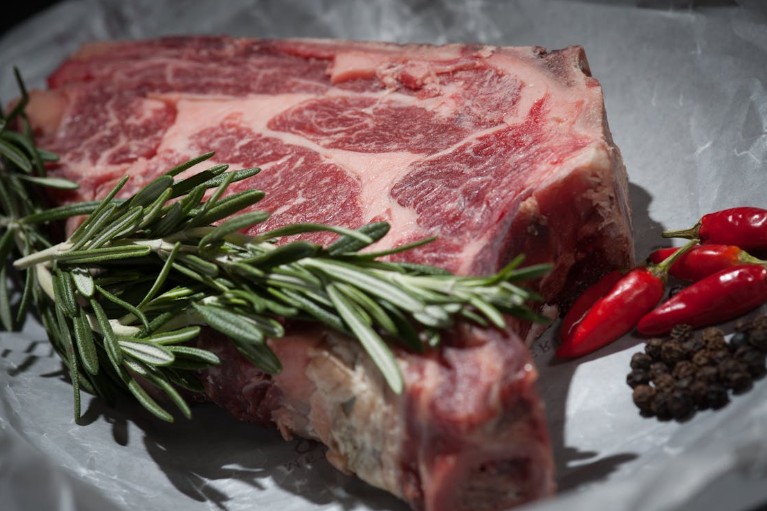
Dry Aged vs. Fresh Steak: A Complete Guide to Choosing the Perfect Cut
When it comes to selecting the perfect steak, one of the most important decisions you'll face is choosing between dry-aged and fresh cuts. Both options offer distinct culinary experiences, and understanding their differences can elevate your dining experience from ordinary to extraordinary. At Tenderbites, we're passionate about helping our customers make informed choices about their meat selections, which is why we're breaking down everything you need to know about these two popular steak styles.
What is Dry Aging?
Dry aging is a time-honored process that transforms beef into something truly exceptional. During this method, whole cuts of beef are stored in a carefully controlled environment with specific temperature and humidity levels for an extended period. At Tenderbites, our local beef is dry-aged for three to ten days in a monitored chiller van, with temperatures closely watched 24/7 to ensure optimal quality.
During the aging process, natural enzymes break down the muscle tissue, making the meat more tender while simultaneously concentrating its flavors. Moisture evaporates from the exterior, creating a more intense, complex taste profile. This careful process, regulated by the National Meat Inspection Service (NMIS), ensures that every American Wagyu Striploin and premium cut meets the highest quality standards.
The Fresh Steak Experience
Fresh steak, on the other hand, refers to beef that has been recently butchered and packaged without undergoing the aging process. These cuts are typically available immediately after processing and offer a different set of characteristics that many steak lovers appreciate. Fresh steaks maintain higher moisture content, resulting in a juicier bite with a milder, cleaner beef flavor that highlights the natural taste of the meat.
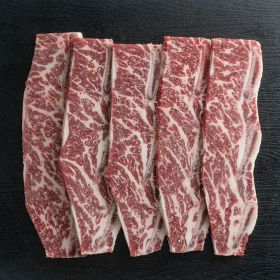
For cuts like Beef LA Kalbi, the fresh approach preserves the delicate texture perfect for Korean-style marinades and quick grilling methods.
Flavor Profiles: A Tale of Two Steaks
The flavor difference between dry-aged and fresh steaks is perhaps the most noticeable distinction. Dry-aged beef develops a rich, nutty, and almost buttery flavor with subtle earthy notes. Some describe it as having a slight funk or blue cheese-like quality that adds incredible depth to each bite. This intensified flavor makes dry-aged cuts particularly special for occasions when you want to impress guests or treat yourself to something extraordinary.
Fresh steaks offer a more straightforward, pure beef flavor. They taste clean and bright, allowing you to appreciate the natural characteristics of the specific cut and grade without additional complexity. This makes fresh beef an excellent canvas for marinades, rubs, and sauces, as it won't compete with these added flavors.
When preparing a show-stopping roast prime rib, the choice between dry-aged and fresh often comes down to personal preference and the occasion.
Texture and Tenderness
Texture is another crucial differentiator. Dry-aged steaks tend to be more tender due to the enzymatic breakdown of muscle fibers during aging. The exterior often develops a darker, firmer crust that transforms into a beautiful char when seared, while the interior remains incredibly tender and almost melts in your mouth.
Fresh steaks have a firmer texture overall, with a consistent bite throughout. They're still tender when properly cooked, but they offer more resistance and a meatier chew. For those who enjoy the substantial feel of a steak, fresh cuts deliver that satisfying experience. This texture works beautifully for classic preparations, such as our filet mignon recipe, where the natural tenderness of the cut shines through.
When to Choose Dry-Aged Steak
Opt for dry-aged beef when you're looking for a premium steakhouse experience at home. These cuts are ideal for:
- Special occasions and celebrations
- Simple preparations that let the meat's flavor shine (salt, pepper, and high heat)
- Entertaining discerning steak enthusiasts
- When you want maximum tenderness
- Preparing impressive cuts like imported premium prime rib
The complex flavors of dry-aged beef require minimal seasoning, typically just salt and freshly cracked pepper, allowing the aging process to speak for itself.
When to Choose Fresh Steak
Fresh steaks are your best choice for:
- Everyday meals and weeknight dinners
- Recipes with bold marinades or sauces
- Grilling and BBQ applications
- Asian-inspired dishes and stir-fries
- Budget-conscious purchases without sacrificing quality
- When you prefer milder beef flavors
Fresh cuts are more versatile in the kitchen and adapt well to various cooking methods and flavor profiles.
The Tenderbites Difference
At Tenderbites, we offer both dry-aged local beef and fresh, premium cuts, including USDA Prime and Certified Angus Beef, imported directly from the US, as well as Authentic Japanese Wagyu from Japan. Our skilled butchers masterfully prepare each cut and can even accommodate custom requests for special occasions, whether you need a specific thickness or a special roast tied in twine.
We're so confident in our products that we guarantee your satisfaction. If you're not completely happy with your purchase, our customer service team is ready to help. Simply contact us at [email protected].
Making Your Choice
Ultimately, the choice between dry-aged and fresh steak comes down to personal preference, cooking method, and occasion. Both offer incredible eating experiences when properly prepared. If you're unsure which option is right for your needs, our expert butchers at Tenderbites are always available to guide you through the selection process.
Whether you're craving the intense, concentrated flavors of dry-aged beef or the clean, pure taste of fresh cuts, Tenderbites delivers top-quality meat straight to your doorstep. With our commitment to proper hygiene, food safety, and the strictest quality standards, you can trust that every steak will exceed your expectations.

-
Beef LA Kalbi₱2,649.00
-
Imported Premium Prime Rib₱3,719.00

-
 9 September 2025
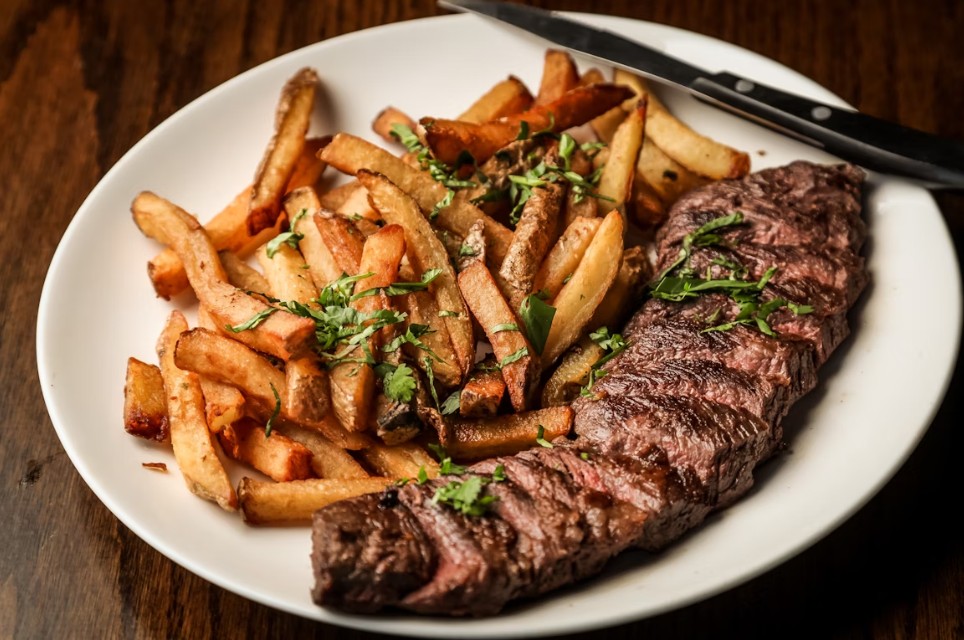
Steak Night Made Easy: A Guide to Choosing the Perfect Cut
Whether you’re preparing a quiet dinner at home or celebrating a special occasion, selecting the right steak cut can elevate your meal. From richly marbled Wagyu steak to lean and versatile flank steak, every cut offers something different in terms of flavor, texture, and cooking method.
At TenderBites, we offer a variety of high-quality steak cuts in the Philippines, making it easy to shop based on your taste, budget, or occasion. In this guide, we’ll help you choose the perfect steak for any situation—along with tips on how to cook each one to bring out its best.
-
 8 October 2025
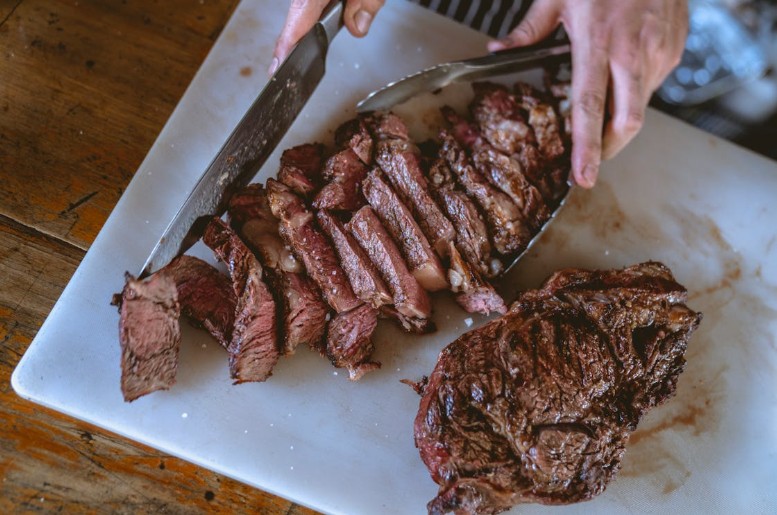
A Guide to Different Cuts of Beef Steak and How to Use Them
Whether you’re planning a weekday dinner or a special occasion meal, choosing the right beef steak cut can make all the difference. Each steak cut offers its own level of tenderness, marbling, and flavor. And knowing how to cook each one is key to bringing out its best qualities.
In this guide, we’ll walk you through the most popular beef steak cuts, explain their best uses, and offer cooking tips so you can make the most of every bite. We’ll also share how you can order beef online from TenderBites for reliable quality and convenience.