
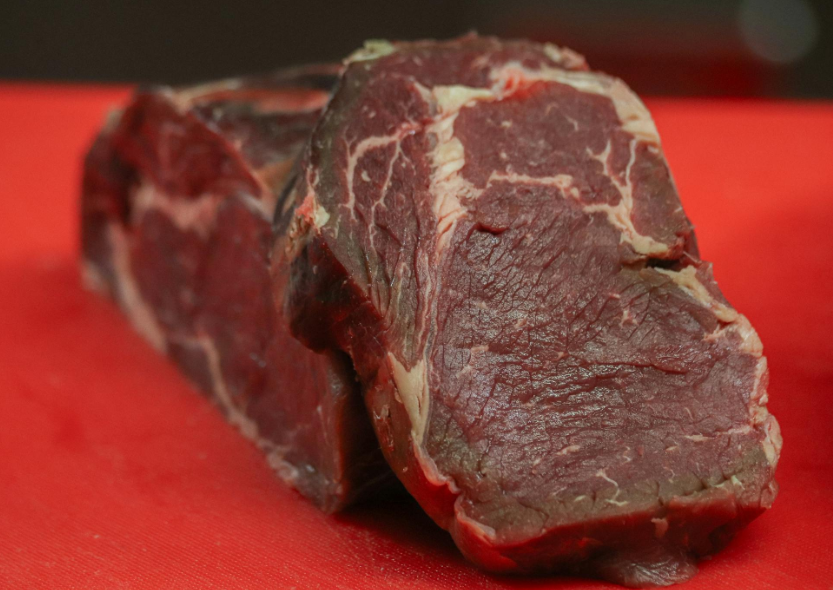
Ribeye vs Striploin: Which Steak Cut Should You Choose?
When it comes to steak, few debates are more satisfying—or more delicious—than ribeye versus striploin. Both are premium cuts prized by home cooks and professional chefs alike, yet they deliver noticeably different experiences on the plate. Whether you're planning a weekend handaan, cooking up pulutan for friends, or simply treating yourself to a proper steak dinner, knowing the difference between these two cuts will help you make a more confident choice at the butcher counter.
What Is a Ribeye?
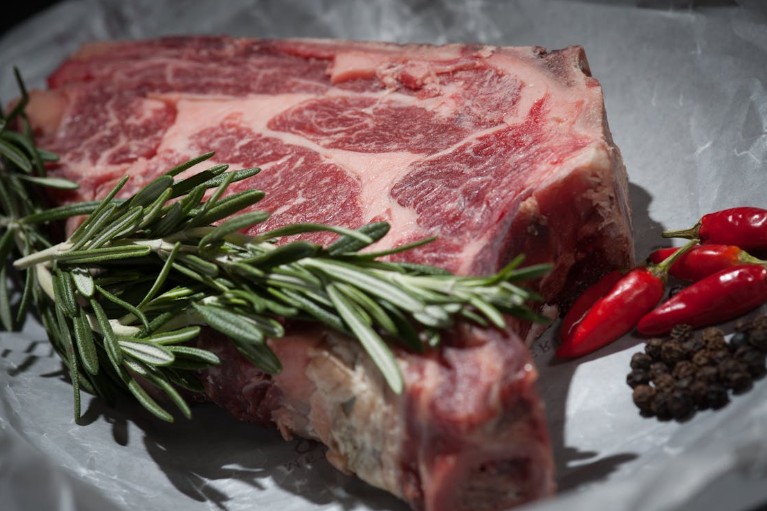
The ribeye is cut from the rib section of the cow, specifically from ribs six through twelve. What makes this cut immediately recognizable is its abundant marbling—the fine threads of intramuscular fat woven throughout the muscle. This fat melts during cooking, basting the meat from within and producing a rich, buttery flavor that many steak lovers consider the gold standard.
Ribeye is typically available in two forms: bone-in (often called a cowboy steak or tomahawk) and boneless. The bone-in version adds visual drama and a subtle depth of flavor, while the boneless cut is more practical for everyday cooking. Because of its fat content, ribeye is naturally forgiving and stays juicy even when cooked slightly past medium.
What Is a Striploin?
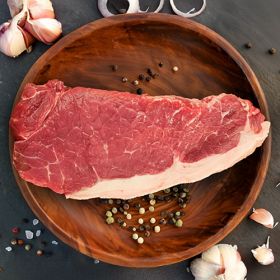
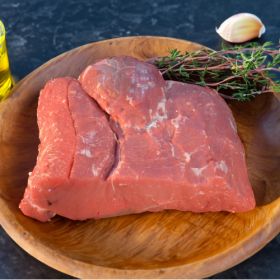
Striploin—sometimes called New York strip or sirloin strip—comes from the short loin section, just behind the rib. Compared to ribeye, it has less marbling and a firmer texture, but it still carries a well-developed beefy flavor that makes it a favorite among those who prefer a cleaner, leaner bite compared to other cuts.
One distinctive feature of striploin is the fat cap running along one edge. When seared properly, this exterior fat renders into a crispy, flavorful crust that adds texture contrast to each bite. Striploin is often the cut of choice for diners who want a steak that feels substantial without being overly rich.
Flavor and Texture: A Side-by-Side Comparison
Understanding how each cut behaves on the palate helps narrow down the right choice for your meal.
- Ribeye: Rich, buttery, and deeply savory due to high marbling. Tender with a melt-in-your-mouth quality.
- Striploin: Bold, beefy, and slightly firmer. Cleaner finish with a satisfying chew.
Neither cut is objectively better—they simply serve different preferences. Ribeye rewards those who prioritize juiciness and indulgence. Striploin appeals to those who want a pronounced, meaty flavor with more textural structure. For a fiesta spread or a formal handaan where the steak is the centerpiece, ribeye tends to impress visually and gastronomically. For a weeknight dinner or a casual pulutan setup, striploin offers excellent flavor at a slightly more accessible price point.
Best Cooking Methods for Each Cut
Both cuts perform well over high heat, but their fat content influences how they respond to different cooking techniques.
Cooking Ribeye
Because of its marbling, ribeye is highly suited to:
- Pan searing in a cast-iron skillet with butter and aromatics
- Grilling over direct high heat to caramelize the exterior
- Reverse searing, where the steak is slow-roasted first, then finished in a hot pan
Aim for medium-rare to medium (54–63°C internal temperature) to allow the fat to render fully without drying out the meat. Cooking ribeye to well-done is generally not recommended—it eliminates the very qualities that make the cut exceptional.
Cooking Striploin
Striploin is a bit more forgiving across doneness levels, making it a good choice for cooks who are still getting comfortable with steak cookery. Recommended methods include:
- Grilling with a two-zone fire for controlled doneness
- Pan searing with a focus on rendering the fat cap first
- Broiling under high oven heat for a quick weeknight option
Target medium-rare (54–57°C) for the best balance of tenderness and flavor in striploin.
How Aging Affects Both Cuts
Aging is a process that concentrates flavor and improves tenderness by allowing natural enzymes to break down muscle fibers over time. Both ribeye and striploin respond well to aging, though the effect is particularly pronounced in striploin, where the improved tenderness compensates for the cut's naturally firmer texture.
If you're curious about how aging transforms a steak's flavor and texture, this comparison of dry-aged versus fresh steak is a useful reference. TenderBites carries both fresh and select-aged options, allowing buyers to choose based on their cooking timeline and flavor preferences.
Price, Availability, and Sourcing in the Philippines
In the Philippine market, ribeye is generally priced higher than striploin due to its fat content and premium perception. Wagyu ribeye, in particular, sits at the top of the price range and is best appreciated with minimal seasoning, letting the marbling speak for itself. USDA Prime striploin offers a strong middle-ground option—exceptional quality without reaching Wagyu price levels.
Choosing the Right Cut for You
Ribeye and striploin each bring something distinct to the table. Ribeye is the indulgent, marbled choice for those who want richness and tenderness above all else. At the same time, striploin delivers a bold, beefy experience with a firmer bite and slightly leaner profile. Your ideal cut depends on your personal taste, cooking method, and the occasion you're preparing for.
Both cuts deserve a place in any serious home cook's rotation. Experimenting with each is the most reliable way to find your preference. Visit TenderBites to explore their selection of premium ribeye, striploin, and other expertly sourced beef cuts available for delivery across Metro Manila.

-
New York Cut / Striploin Steak₱1,289.00
-
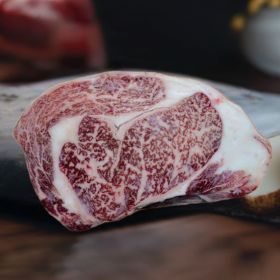
Authentic Japanese Wagyu Ribeye - Grade A5₱13,079.00Out of stock
-
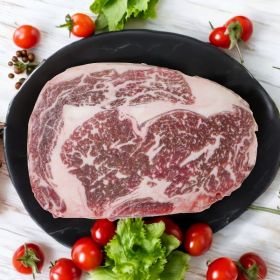
American Wagyu Ribeye Gold₱12,179.00
-
Premium Striploin (New York Cut)₱1,419.00
-
 9 September 2025
Steak Night Made Easy: A Guide to Choosing the Perfect Cut
Whether you’re preparing a quiet dinner at home or celebrating a special occasion, selecting the right steak cut can elevate your meal. From richly marbled Wagyu steak to lean and versatile flank steak, every cut offers something different in terms of flavor, texture, and cooking method.
At TenderBites, we offer a variety of high-quality steak cuts in the Philippines, making it easy to shop based on your taste, budget, or occasion. In this guide, we’ll help you choose the perfect steak for any situation—along with tips on how to cook each one to bring out its best.
-
 23 December 2025
Dry Aged vs. Fresh Steak: A Complete Guide to Choosing the Perfect Cut
When it comes to selecting the perfect steak, one of the most important decisions you'll face is choosing between dry-aged and fresh cuts. Both options offer distinct culinary experiences, and understanding their differences can elevate your dining experience from ordinary to extraordinary. At Tenderbites, we're passionate about helping our customers make informed choices about their meat selections, which is why we're breaking down everything you need to know about these two popular steak styles.
-
 11 March 2026
Your Guide to Steak Cuts Available in the Philippines
There's something special about a perfectly cooked steak. Whether it's a weekend family dinner, a celebration with friends, or a quiet date night at home, a good steak turns any meal into an occasion. For Filipinos, steak has become more than just restaurant food—it's something we're learning to master in our own kitchens. With the right cut and proper technique, you can create steakhouse-quality meals without leaving home.
The challenge? Understanding which steak cut to buy. Walk into any premium choice meat shop, and you'll see a variety of options: ribeye, sirloin, tenderloin, T-bone, and more. Each cut has unique characteristics, from marbling and tenderness to flavor intensity and cooking requirements. Choosing the right one depends on your cooking method, personal preferences, and the experience you want to create.
In this guide, we'll break down the most common steak cuts available in the Philippines, explain what makes each one special, and share tips on how to cook them. Whether you're grilling for a crowd or pan-searing a quick weeknight dinner, understanding your cuts will help you make the best choice every time.