
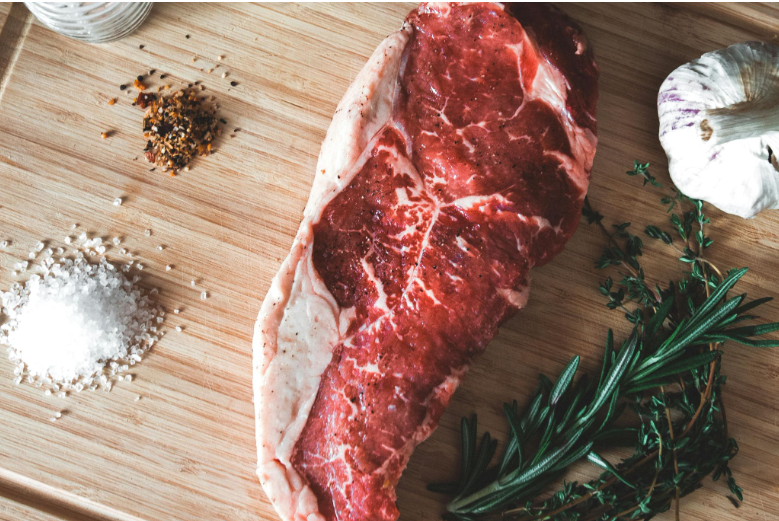
Striploin vs New York Strip: Are They the Same?
If you've ever browsed a butcher's counter or scrolled through a steakhouse menu and wondered whether striploin and New York strip are the same thing, you're not alone. The naming can feel confusing, especially when different countries, culinary traditions, and even individual butchers use these terms interchangeably — or not at all. The short answer is yes, they are essentially the same cut of beef. But the longer answer reveals a few nuances worth understanding before you fire up the grill.
Where the Cut Comes From
Both the striploin and the New York strip come from the short loin, a section of the beef located along the upper back of the cow, behind the ribs and before the sirloin. This area does very little physical work, so the muscle fibers remain relatively tender. The result is a cut with a firm texture, moderate marbling, and a bold, beefy flavor — all without the long cooking times that tougher cuts require.
When the tenderloin is removed from the short loin, what remains is the striploin. Slice that into individual portions,s and you have what Americans commonly call the New York strip steak. So while "striploin" typically refers to the whole subprimal cut, "New York strip" refers to the portioned steak cut from it.
Why the Different Names?
The name "New York strip" dates back to the fine-dining establishments of New York City in the 1800s, where this cut became a house specialty. It became so associated with the city's steakhouse culture that the name stuck — at least in American culinary vocabulary.
Outside the United States, the same cut goes by different names. In Australia and New Zealand, it's called a sirloin steak or porterhouse. In the United Kingdom, it's sometimes referred to simply as a sirloin. In the Philippines and much of Asia, you'll most commonly see it labeled as striploin, particularly in butcher shops and supermarkets. This is worth knowing when you're navigating local meat counters or ordering online, especially if they offer an extensive selection of beef cuts.
How Striploin Compares to Other Premium Cuts
Understanding where striploin sits among other popular cuts helps you make better cooking decisions.
- Ribeye: Richer marbling and higher fat content, giving it a more buttery texture. Often more forgiving of high heat.
- Tenderloin: Leaner and more tender than striploin, but milder in flavor. Often used for filet mignon.
- Striploin / New York Strip: A balance of tenderness and flavor, with a firmer chew than tenderloin and less fat than ribeye. A good all-rounder.
For Filipino gatherings — whether it's a weekend handaan, a birthday inihaw, or simply a pulutan setup — striploin is a crowd-pleasing option that handles well on both grill and cast iron.
How to Cook Striploin Properly
The striploin's moderate marbling means it performs best with high-heat, short-cook methods. Here's a straightforward approach:
- Take the steak out of the refrigerator at least 30 minutes before cooking to bring it to room temperature.
- Pat it completely dry with paper towels — surface moisture prevents a proper sear.
- Season generously with coarse salt and freshly ground pepper.
- Heat a cast-iron pan or grill to high heat before placing the steak down.
- Sear for 3–4 minutes per side for medium-rare (internal temperature of 54–57°C).
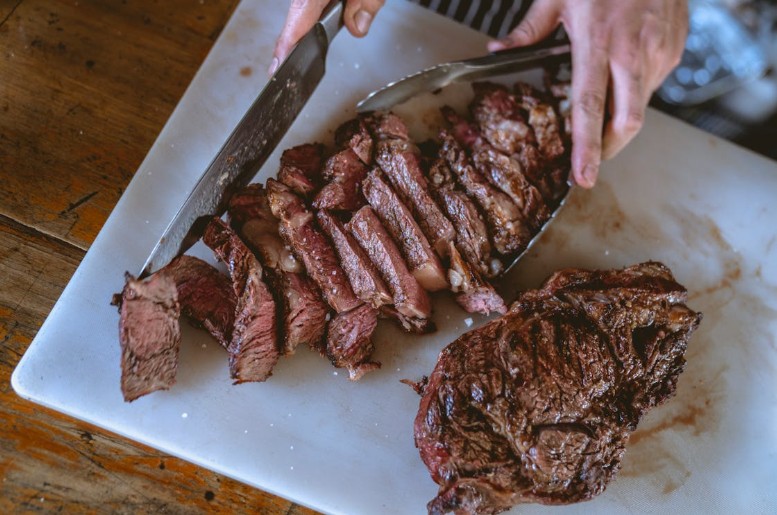
- Let the steak rest for 5–7 minutes before slicing to allow juices to redistribute.
Avoid cooking striploin past medium. The cut's leaner profile means it dries out more quickly than heavily marbled cuts, and overcooking diminishes its naturally beefy character.
Does Aging Make a Difference?
One factor that significantly affects how a striploin tastes is whether it has been aged. Dry-aged striploin develops a more concentrated, nutty, and complex flavor compared to fresh cuts, thanks to controlled moisture loss and enzymatic breakdown of muscle fibers over time. Wet-aged cuts retain more moisture and tend to have a cleaner, milder flavor profile. If you're preparing a special-occasion meal, dry-aged striploin can significantly elevate the experience.
Buying Striploin in the Philippines
When sourcing striploin locally, the beef's grade and origin matter. USDA Prime and Choice striploins from the United States are widely regarded for their consistent marbling and flavor. Australian beef striploins are also popular in the Philippine market, offering a grass-fed option with a leaner profile.
TenderBites offers both local and imported striploin options, cut to order so that you can specify thickness based on your preferred cooking method. Thicker cuts — around 2.5 to 3 cm — are ideal for achieving a proper sear while maintaining a pink, juicy center.
Same Cut, Different Name — Know Your Steak
Striploin and New York strip are, for all practical purposes, the same cut of beef — the distinction is largely one of geography and naming convention. What truly matters is how the cut is sourced, whether it's been aged, how it's portioned, and how it's cooked. A well-prepared striploin, seared to medium-rare and properly rested, is one of the most satisfying steaks you can put on a plate.
Whether you're planning a simple weeknight steak or building a full grill spread for the family, understanding this cut gives you more confidence at the butcher and in the kitchen. Visit TenderBites today to explore our premium selection of fresh, expertly cut meats delivered straight to your door.

-
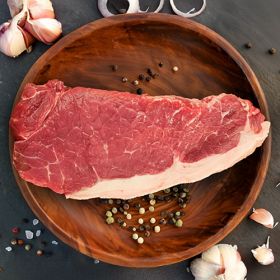
New York Cut / Striploin Steak₱1,289.00
-
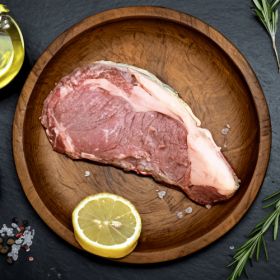
Premium Angus Beef - Tenderloin₱3,959.00
-
29 Days Aged Ribeye₱2,329.00

-
 9 September 2025
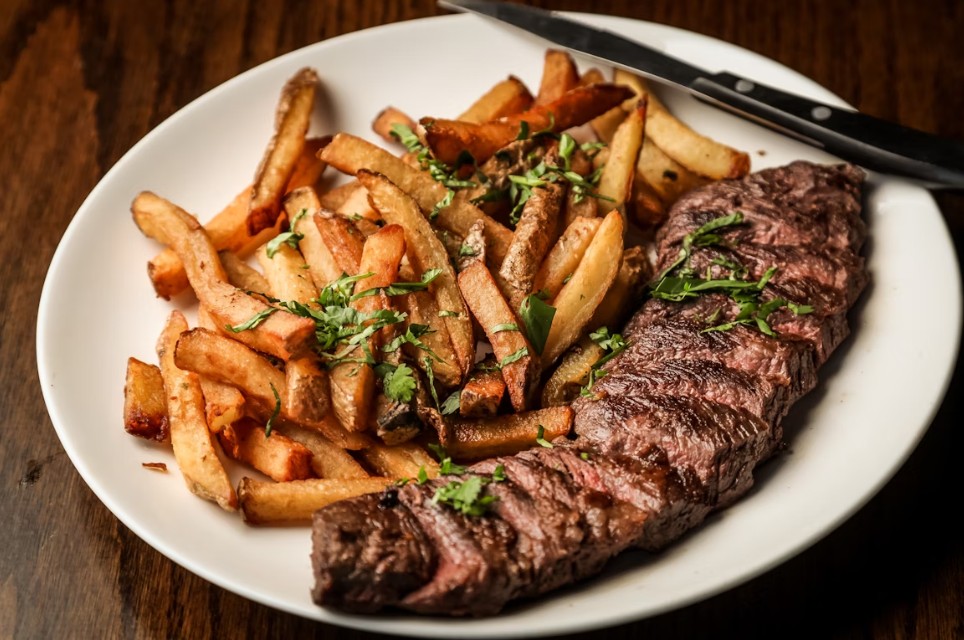
Steak Night Made Easy: A Guide to Choosing the Perfect Cut
Whether you’re preparing a quiet dinner at home or celebrating a special occasion, selecting the right steak cut can elevate your meal. From richly marbled Wagyu steak to lean and versatile flank steak, every cut offers something different in terms of flavor, texture, and cooking method.
At TenderBites, we offer a variety of high-quality steak cuts in the Philippines, making it easy to shop based on your taste, budget, or occasion. In this guide, we’ll help you choose the perfect steak for any situation—along with tips on how to cook each one to bring out its best.
-
 8 October 2025
A Guide to Different Cuts of Beef Steak and How to Use Them
Whether you’re planning a weekday dinner or a special occasion meal, choosing the right beef steak cut can make all the difference. Each steak cut offers its own level of tenderness, marbling, and flavor. And knowing how to cook each one is key to bringing out its best qualities.
In this guide, we’ll walk you through the most popular beef steak cuts, explain their best uses, and offer cooking tips so you can make the most of every bite. We’ll also share how you can order beef online from TenderBites for reliable quality and convenience.
-
 11 March 2026
Your Guide to Steak Cuts Available in the Philippines
There's something special about a perfectly cooked steak. Whether it's a weekend family dinner, a celebration with friends, or a quiet date night at home, a good steak turns any meal into an occasion. For Filipinos, steak has become more than just restaurant food—it's something we're learning to master in our own kitchens. With the right cut and proper technique, you can create steakhouse-quality meals without leaving home.
The challenge? Understanding which steak cut to buy. Walk into any premium choice meat shop, and you'll see a variety of options: ribeye, sirloin, tenderloin, T-bone, and more. Each cut has unique characteristics, from marbling and tenderness to flavor intensity and cooking requirements. Choosing the right one depends on your cooking method, personal preferences, and the experience you want to create.
In this guide, we'll break down the most common steak cuts available in the Philippines, explain what makes each one special, and share tips on how to cook them. Whether you're grilling for a crowd or pan-searing a quick weeknight dinner, understanding your cuts will help you make the best choice every time.