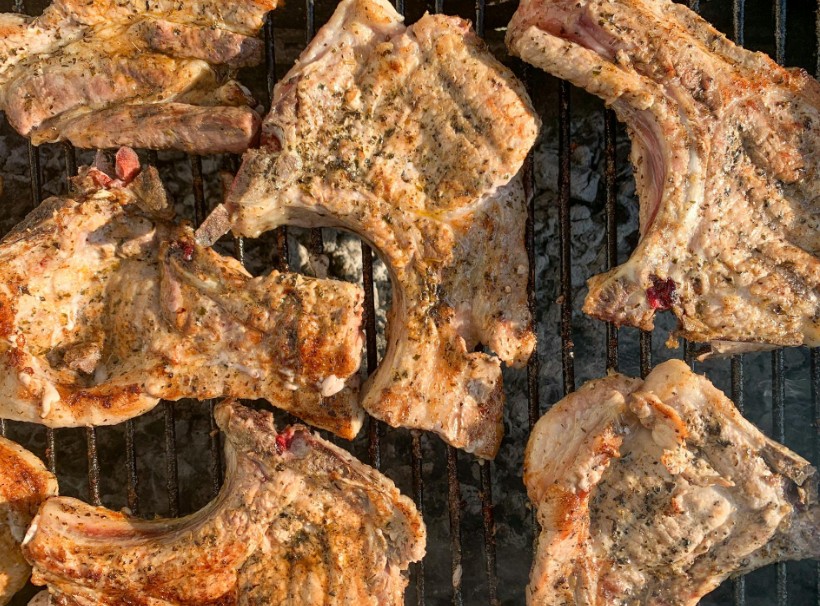
Your Go-To Cuts for Pork Chops: Which Is Best for Frying, Grilling, or Baking?
Pork chops are one of the most versatile proteins in the Filipino kitchen. Whether you're putting together a quick weeknight ulam or preparing for a weekend handaan, the right cut can mean the difference between a dry, chewy disappointment and a juicy, flavorful centerpiece. The problem is that not all pork chops are created equal — and the cooking method you choose should always guide which cut you reach for at the butcher.
Understanding the Anatomy of a Pork Chop
Before matching cuts to cooking methods, it helps to know where pork chops come from. All pork chops are sliced from the loin, which runs along the back of the pig from the shoulder to the hip. Within this section, there are several distinct cuts, each with varying fat content, bone structure, and muscle texture.
The four most common types are:
- Blade chop — cut from the shoulder end of the loin, contains more fat and connective tissue
- Rib chop — cut from the rib section, well-marbled with a single rib bone
- Loin chop — cut from the center loin, leaner with a T-bone-like structure
- Sirloin chop — cut from the hip end, tougher and best with low-and-slow cooking
Fat content and bone-in versus boneless are also important variables. Bone-in chops tend to retain moisture better during cooking, while boneless chops are more convenient for quick preparation.
Best Pork Chop Cut for Frying
For pan-frying or deep-frying, rib chops are arguably the best choice. Their natural marbling keeps the meat moist even under high, direct heat. The fat renders quickly, creating a golden, flavorful crust without overcooking the interior.
Blade chops are another solid option for frying. The higher fat and connective tissue content means they stay tender in the pan, and they're often more affordable. If you enjoy the texture of slightly richer, more savory fried pork, blade chops deliver well.
A few tips for frying pork chops:
- Pat the chops completely dry before seasoning to encourage browning
- Use a cast-iron or heavy-bottomed pan for even heat distribution
- Fry at medium-high heat and avoid overcrowding the pan
- Internal temperature should reach 63°C (145°F) for safe consumption, followed by a short rest
Thin-cut chops around 1 to 1.5 cm work best for frying since they cook through quickly without burning the exterior.
Best Pork Chop Cut for Grilling
Grilling demands a cut that can withstand direct flame without drying out, which is why rib chops and loin chops are the top picks here. The bone-in versions of both cuts are especially well-suited for the grill — the bone acts as a natural insulator, slowing heat transfer and helping the meat stay juicy.
For Filipino-style ihaw, rib chops marinated in a soy-calamansi-garlic mixture are a classic. Thicker cuts of 2 to 2.5 cm are recommended for grilling, so the outside develops char without the inside cooking too quickly
Grilling tips to keep in mind:
- Bring chops to room temperature 20 to 30 minutes before grilling
- Oil the grates lightly to prevent sticking
- Sear over high heat for 2 to 3 minutes per side, then finish over medium heat
- Rest the meat for at least 5 minutes before cutting
If you're curious about how proper cut selection makes a difference beyond chops, the same principle applies across different recipes.
Best Pork Chop Cut for Baking
Baking or oven-roasting is a more forgiving method, which opens up options for thicker, leaner cuts. Loin chops and sirloin chops perform well in the oven because the sustained, indirect heat allows their slightly tougher muscle fibers to break down without losing too much moisture — especially when the chops are brined or marinated beforehand.
For oven baking:
- Preheat the oven to 200°C (400°F)
- Sear the chops in a hot oven-safe pan for 2 minutes per side
- Transfer the pan directly to the oven
- Bake for 8 to 15 minutes, depending on thickness
- Rest for 5 minutes before serving
Blade chops can also work beautifully when baked low and slow at around 160°C, especially in braised preparations with broth, garlic, and aromatics. This method is similar in approach to what makes cuts like kasim shine in slow-cooked dishes.
Thickness and Bone-In vs. Boneless: Why It Matters
One of the most overlooked variables in cooking pork chops is thickness. Too thin and the chop overcooks before it develops flavor. Too thick without the right method and you risk an undercooked center.
A general guide:
- Thin chops (1–1.5 cm): Best for frying
- Medium chops (2–2.5 cm): Best for grilling
- Thick chops (3 cm and above): Best for baking or reverse searing
Bone-in cuts are generally recommended for grilling and baking because they tolerate longer cook times. Boneless cuts are faster and more convenient for frying. When sourcing your chops, having them cut to a specific thickness makes a noticeable difference — TenderBites offers custom butcher cuts, so you can specify exactly how thick you want your chops sliced.
Seasoning and Marinade Pairing by Cut
The fat content of your cut should also guide your seasoning approach. Leaner loin and sirloin chops benefit from brining or marinating overnight to compensate for lower moisture retention. Rib and blade chops, being richer, hold up well to bold dry rubs. Each cut has specific uses, which is why different cuts are used for different cooking styles and methods.
Choose the Right Cut, Cook with Confidence
Pork chops are not a one-size-fits-all ingredient. The cut you choose — whether it's a well-marbled rib chop for frying, a bone-in loin chop for grilling, or a thick sirloin chop for baking — directly shapes the outcome on your plate. Understanding the anatomy of each cut and matching it to your cooking method is the most reliable way to produce juicy, flavorful results consistently.
Once you know what to look for, sourcing quality chops becomes just as important as technique. Fresh, properly cut pork with consistent thickness gives you a reliable foundation for cooking. Visit TenderBites to explore available pork cuts and find the right option for your next meal.

-
Pork Chop - Skin-On₱629.00
-
Pork Chop - Skinless₱669.00
-
Frenched Pork Chop₱769.00
-
King Henry Pork Chop₱969.00