
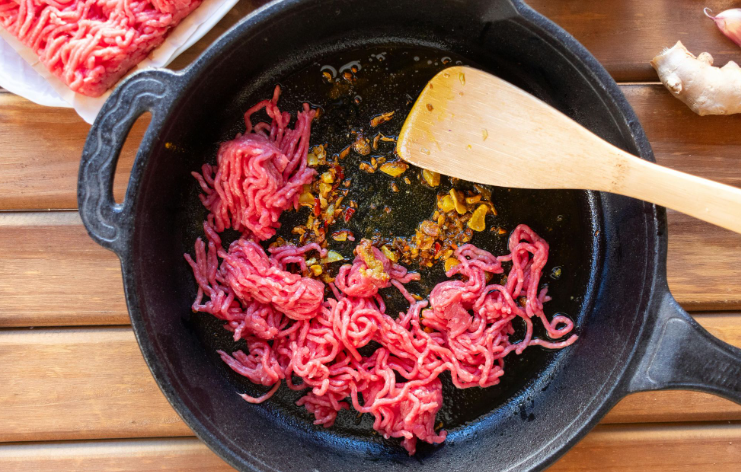
Exploring the World of Ground Meat: Pork vs Beef vs Blends
Ground meat is one of the most versatile ingredients in any Filipino kitchen. From the savory filling of a classic embutido to the hearty base of a spaghetti sauce loaded with cheese and banana ketchup, the type of ground meat you choose quietly shapes the outcome of your dish. Yet many home cooks simply grab whatever is available without considering whether ground pork, ground beef, or a blend might better suit their recipe. Understanding the differences can meaningfully elevate everyday meals.
The Basics: What Sets Each Type Apart
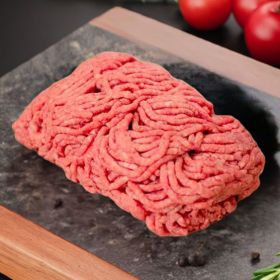
Ground meat refers to any protein that has been passed through a meat grinder, producing a loose, textured mixture ideal for forming, mixing, or browning. The key variables that distinguish ground pork, ground beef, and blended options are fat content, flavor intensity, texture after cooking, and how well each absorbs seasoning.
Ground pork tends to be softer and slightly fattier, which makes it ideal for binding in formed dishes. Ground beef carries a more robust, mineral-forward flavor and holds up better to bold spices. Blends sit somewhere in between, offering a balance of moisture, richness, and flavor complexity that neither single-protein option can fully replicate on its own.
Ground Pork: The Filipino Kitchen Staple
If there is one ground meat that dominates Filipino home cooking, it is ground pork. It appears in everything from bola-bola soup and pork giniling to the stuffing inside lechon de leche. Its mild flavor makes it a highly adaptable canvas, readily absorbing aromatics like garlic, onion, and oyster sauce.
The fat naturally present in ground pork helps keep formed dishes moist during cooking — a critical quality for recipes like embutido or pork lumpia, where dryness would ruin the texture. For those watching fat intake, leaner ground pork options are widely available and still perform well in sautéed dishes. If you are exploring creative, healthy recipes using lean ground pork, leaner cuts of fresh ground pork make a meaningful difference in the final dish.
Ground pork is also more affordable than ground beef in the Philippine market, making it a practical choice for everyday family meals without compromising flavor.
Ground Beef: Bold Flavor and Firm Texture
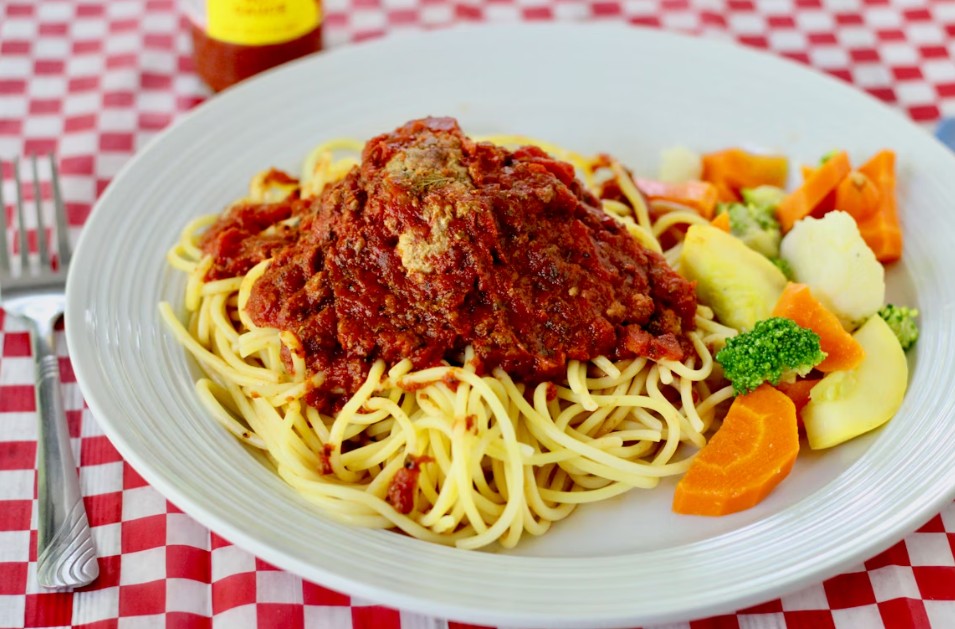
Ground beef brings a deeper, more assertive flavor profile that stands out in strongly seasoned dishes. It is the preferred choice for beef burger patties, beef picadillo, and Filipino-style beef spaghetti, where a meaty backbone is expected.
One important consideration with ground beef is fat percentage. Ground beef labeled as regular or standard often runs around 20–25% fat, which contributes to juiciness when pan-cooked or grilled. Leaner options with 10–15% fat work better in braised or slow-cooked applications, where the cooking liquid provides moisture. Overcooking lean ground beef results in a dry, crumbly texture, so heat management matters.
The sourcing of the beef also influences flavor. Locally sourced ground beef has a lighter taste, while imported ground beef — particularly from grain-fed cattle — tends to be richer and more aromatic. Understanding where your ground beef comes from helps set expectations before you even turn on the stove.
Ground Meat Blends: The Best of Both Worlds
A 50/50 blend of ground pork and ground beef has become a popular choice among experienced home cooks and professional chefs for good reason. The pork contributes moisture and binding ability, while the beef adds depth and a firmer bite after cooking. Together, they create a texture and flavor that neither protein achieves alone.
This blend works exceptionally well in:
- Burger patties where juiciness and flavor are both priorities
- Meatballs for soups or pasta dishes
- Meat sauces that need body and richness
- Stuffed vegetables or tofu
Some specialty applications use an 80/20 beef-to-pork ratio, while others go heavier on the pork for more delicate dishes. The flexibility of blends allows cooks to fine-tune results based on personal preference and the specific dish being prepared.
Cooking Tips and Storage Best Practices
Regardless of which ground meat you choose, a few universal principles apply. Always cook ground meat to an internal temperature of at least 71°C (160°F) to ensure food safety, as the grinding process distributes surface bacteria throughout the entire batch.
When browning ground meat, avoid overcrowding the pan. Too much meat at once lowers the pan temperature, causing the meat to steam rather than sear. Work in batches if needed, and allow the meat to develop color before stirring. Color development adds flavor through the Maillard reaction.
For storage, fresh ground meat should be used within one to two days if refrigerated. For longer storage, vacuum-packed ground meat can be kept frozen for up to three months without significant quality loss. Properly portioning before freezing makes weeknight cooking significantly more efficient.
When sourcing ground meat, freshness is non-negotiable. Meat that has been freshly ground rather than pre-packaged days earlier will always perform better in texture-sensitive recipes. This is one area where custom butcher services — like those offered by TenderBites — allow you to specify the cut, fat ratio, and grind size before it reaches your kitchen.
Choosing the Right Ground Meat for Filipino Dishes
Matching the right ground meat to the right recipe is a skill that develops with experience. A general framework:
- Ground pork — embutido, lumpia filling, bola-bola, pork giniling, fried rice
- Ground beef — burger patties, beef spaghetti, beef picadillo, kare-kare base enrichments
- Pork-beef blend — meatballs, meat sauce, stuffed peppers, and handaan centerpieces
For special occasions like a family fiesta or holiday handaan, a well-seasoned blend made from quality cuts often produces the most crowd-pleasing results. The extra step of selecting the right ground meat is a small investment that pays off at the table.
Finding the Right Ground Meat for Every Dish
Ground pork, ground beef, and blended options each bring distinct qualities to the table. Pork offers softness and adaptability, beef delivers bold flavor and structure, and blends provide a reliable middle ground that suits a wide range of Filipino recipes. The right choice depends on the dish, the cooking method, and personal preference, not just habit or availability.
Taking time to understand these differences makes everyday cooking more intentional and consistently better. Whether you are planning a simple weeknight giniling or preparing something special for a family gathering, starting with quality ground meat always matters. Visit TenderBites to explore fresh, expertly prepared ground meat options for your next meal.

-
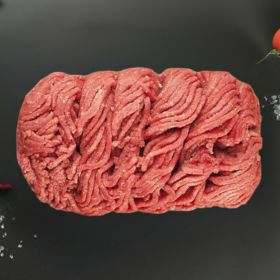
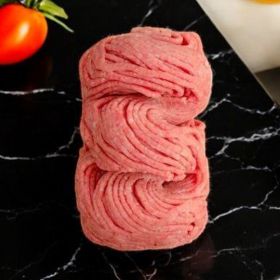
Ground Round₱849.00
-
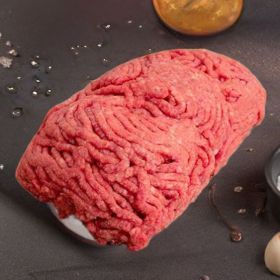
Ground Beef Regular₱769.00
-
 3 September 2025
Creative & Healthy Recipes Using TenderBites' Lean Ground Pork
Looking for everyday meals that are both tasty and nourishing? With lean ground pork, you can enjoy flavorful dishes that fit into a balanced lifestyle without compromising on taste or convenience.
At TenderBites, we offer high-quality pork meat that’s freshly processed and handled with care, making it easier for homemakers and home cooks to prepare hearty meals with confidence. In this blog, we’re putting the spotlight on our lean pork, sharing recipe ideas and tips to help you serve satisfying meals that are easy on both the stomach and the budget.