
Lean vs Fatty Ground Meat: What to Use for Filipino Recipes
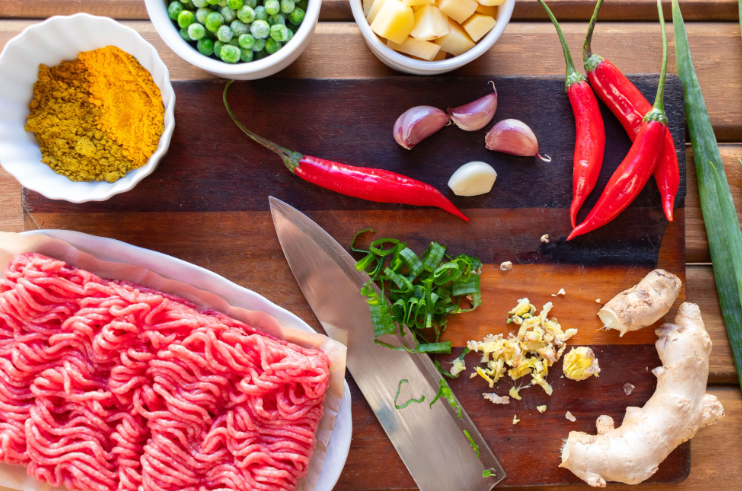
Ground meat is a workhorse ingredient in Filipino cooking. From the savory filling of embutido to the saucy base of picadillo, it appears across everyday meals and festive handaan spreads alike. But not all ground meat is the same. The fat ratio plays a significant role in flavor, texture, and how a dish ultimately turns out. Understanding the difference between lean and fatty ground meat can help you make smarter choices in the kitchen.
What Fat Ratio Actually Means
When butchers and packaging labels reference lean-to-fat ratios like 80/20 or 90/10, they're describing the percentage of lean meat by weight relative to fat. An 80/20 ground pork or beef blend contains roughly 20% fat, while a 90/10 blend is noticeably leaner. These numbers directly affect moisture retention, browning ability, flavor intensity, and mouthfeel.
Fat carries flavor. It distributes heat-soluble compounds throughout the meat as it cooks, which is why a fattier blend often tastes richer and more satisfying. On the other hand, lean blends allow other ingredients, such as aromatics, sauces, and spices, to take center stage without being masked by grease.
When to Choose Fatty Ground Meat
Fattier ground meat, typically around 70/30 to 80/20, performs best in dishes where moisture and richness are priorities.
Longganisa is one of the clearest examples. The fat in ground pork helps the sausage stay juicy as it fries and contributes to the characteristic caramelization on the outside. A lean longganisa tends to dry out and lose that satisfying snap.
Sisig, made from ground pork,k also benefits from higher fat content. The fat renders during cooking, adding depth and a slightly crispy finish whecookedne on cast-ironon or flat-top pan.
Other dishes where fattier blends shine:
- Ground pork binagoongan
- Pork-based burger patties for pulutan
- Stuffed squid (rellenong pusit) with pork filling
- Spaghetti sauce with a distinctly Filipino sweetness
For ground beef, an 80/20 ratio is the standard recommendation for most applications. Going leaner than 85/15 in beef often results in a drier, crumblier texture.
When to Choose Lean Ground Meat
Lean ground meat, 85/15 and above, is better suited for dishes where the meat is mixed with other binding ingredients, cooked in liquid, or where a lighter result is preferred.
Embutido is a classic example. Because the mixture includes eggs, breadcrumbs, carrots, raisins, and other fillings, excess fat can make the loaf greasy and difficult to slice cleanly. A lean pork blend holds its structure better once steamed or baked.
Menudo with ground pork benefits from a leaner ratio too, since the tomato-based sauce already contributes richness. If you're curious about cut-specific decisions for slow-cooked versions, this guide on menudo cuts like kasim and pigue offers useful context.
Other dishes that work well with lean ground meat:
- Giniling na baboy (everyday rice topping)
- Ground beef or pork arroz caldo add-ins
- Low-oil stir-fried preparations
- Health-conscious meal prep recipes
For those exploring nutritious everyday cooking, lean ground pork recipes can be a practical starting point for building a balanced weekly menu.
Ground Beef vs Ground Pork: Does the Fat Rule Change?
The fat principles are similar between beef and pork, but the flavor profiles differ significantly. Ground beef has a bolder, more iron-rich taste that stands up well in dishes with heavy spicing or dark sauces. Ground pork is milder and naturally sweeter, which is why it pairs so well with the garlic-vinegar balance of classic Filipino pork preparations.
Ground Beef for Filipino Cooking
Ground beef works particularly well in dishes inspired by or adapted into the Filipino kitchen: kaldereta with ground beef, Filipino-style Bolognese pasta, and beefy picadillo. An 80/20 blend gives these dishes a richer, more grounded flavor.
Ground Pork Versatility
Ground pork remains the more commonly used option in Filipino households because of its affordability, versatility, and natural sweetness. It works across sweet, savory, and tangy flavor profiles, which reflects the range of Filipino cuisine itself.
Cooking Tips Based on Fat Content
Getting the most out of your ground meat comes down to technique as much as the cut itself.
- For fatty blends, start with a dry, hot pan: no oil needed. Let the fat render first before breaking the meat apart. This improves browning and prevents steaming.
- For lean blends, add a small amount of oil to the pan before cooking to prevent sticking and dryness.
- Drain excess fat from fattier blends when cooking saucy dishes to avoid an oily finish.
- Do not overwork the meat when mixing for embutido or patties, as overworking causes toughness regardless of fat content.
- Season after browning, not before, to allow the Maillard reaction to develop properly on the surface.
When sourcing ground meat, the freshness of the blend matters. Meat that is ground fresh, rather than pre-packaged days in advance, holds moisture better and has a cleaner taste. TenderBites, for instance, offers custom-ground options that let customers specify fat ratios based on the dish they're preparing.
For those also preparing whole-cut versions of Filipino classics, understanding which pork cuts work best for tocino can round out your knowledge of how fat distribution affects flavor across different preparations.
Choose the Right Grind Every Time
The decision between lean and fatty ground meat is about matching fat content to the demands of the dish. Fatty blends bring richness and moisture to longganisa, sisig, and burger patties. Lean blends keep embutido firm, giniling light, and everyday meals balanced. Knowing this distinction makes a real difference in the final result.
Filipino cooking rewards attention to ingredient quality, and ground meat is no exception. Whether you're preparing for a weekday dinner or a full fiesta spread, starting with the right grind sets the entire dish up for success. Visit TenderBites to explore fresh, quality ground meat options suited to the recipes you love.

-
Ground Beef Regular₱769.00
-
Ground Lamb₱1,649.00
-
 3 September 2025
Creative & Healthy Recipes Using TenderBites' Lean Ground Pork
Looking for everyday meals that are both tasty and nourishing? With lean ground pork, you can enjoy flavorful dishes that fit into a balanced lifestyle without compromising on taste or convenience.
At TenderBites, we offer high-quality pork meat that’s freshly processed and handled with care, making it easier for homemakers and home cooks to prepare hearty meals with confidence. In this blog, we’re putting the spotlight on our lean pork, sharing recipe ideas and tips to help you serve satisfying meals that are easy on both the stomach and the budget.
-
 26 May 2026
Exploring the World of Ground Meat: Pork vs Beef vs Blends
Ground meat is one of the most versatile ingredients in any Filipino kitchen. From the savory filling of a classic embutido to the hearty base of a spaghetti sauce loaded with cheese and banana ketchup, the type of ground meat you choose quietly shapes the outcome of your dish. Yet many home cooks simply grab whatever is available without considering whether ground pork, ground beef, or a blend might better suit their recipe. Understanding the differences can meaningfully elevate everyday meals.