

Porterhouse Steak 101: What It Is and How to Cook It
If there's one steak that commands attention on any table, it's the porterhouse. Thick, bold, and built for serious meat lovers, this cut delivers two experiences in one — making it a showstopper whether you're hosting a handaan or simply treating yourself to a proper steak night. Understanding what a porterhouse is and how to cook it well can completely change the way you approach beef at home.
What Is a Porterhouse Steak?
The porterhouse is a large, bone-in steak cut from the rear end of the short loin. What makes it exceptional is that it contains two distinct muscles separated by a T-shaped bone: the strip loin (striploin) on one side and the tenderloin on the other. This means you get the bold, beefy flavor of the striploin paired with the buttery tenderness of the tenderloin — all in a single cut.
The key distinction between a porterhouse and a T-bone steak comes down to the size of the tenderloin portion. In most butchery standards, a porterhouse must have a tenderloin section measuring at least 1.25 inches wide at its widest point. A T-bone has a smaller tenderloin section and is cut from further forward on the loin. Both are excellent, but the porterhouse is generally considered the more premium of the two.
For those exploring different cuts of beef steak and how to use them, understanding the porterhouse is a strong starting point because it introduces you to two of the most prized muscles in the animal simultaneously.
Choosing the Right Porterhouse
Quality starts before the pan is even heated. When selecting a porterhouse, look for the following:
- Thickness: Aim for at least 1.5 inches thick. Thinner cuts cook too quickly and are harder to control.
- Marbling: Fine, evenly distributed fat within the muscle means more flavor and juiciness during cooking.
- Color: Fresh beef should be a deep cherry red. Avoid cuts that look gray or overly pale.
- Bone integrity: A clean, well-trimmed bone indicates careful butchery.
If you're uncertain about grades and sourcing, reading up on how to choose the perfect steak cut can help you make more confident decisions. TenderBites offers porterhouse and similar bone-in cuts sliced to your preferred thickness, which is particularly useful when cooking for a group or a special occasion.
How to Prepare a Porterhouse Before Cooking
Preparation is where most home cooks skip steps — and feel it in the final result.
Bring it to room temperature. Take your steak out of the refrigerator at least 30 to 45 minutes before cooking. A cold center leads to uneven cooking, especially on a thick cut like the porterhouse.
Season generously. The porterhouse doesn't need much beyond kosher salt and freshly cracked black pepper. Apply the seasoning at least 40 minutes before cooking (or ideally overnight in the fridge, uncovered) to allow the salt to penetrate the meat and draw back in as a dry brine.
Pat it dry. Moisture on the surface of the steak prevents proper searing. Use paper towels to dry both sides before it hits the heat.
Cooking Methods for Porterhouse Steak
The Reverse Sear Method
This technique is ideal for thick cuts because it gives you precise control over doneness before finishing with a high-heat sear.
- Preheat your oven to 120°C (250°F).
- Place the steak on a wire rack over a baking sheet.
- Cook until the internal temperature reaches about 10°C below your target doneness — around 46°C for medium-rare.
- Remove from the oven and let it rest for 5 minutes.
- Sear in a cast-iron pan with a high-smoke-point oil (like canola or refined coconut oil) over very high heat for 1 to 2 minutes per side.
- Add butter, garlic, and fresh thyme during the final minute and baste continuously.
The Direct Sear Method
For those who prefer stovetop or grill cooking:
- Heat a cast-iron skillet or grill pan until smoking hot.
- Add oil and place the steak flat — do not move it for the first 2 minutes.
- Flip and sear the other side for another 2 minutes.
- Stand the steak on its side to sear the fat cap and bone edge.
- Finish in a 180°C oven for 5 to 8 minutes, depending on thickness and preferred doneness.
- Rest for at least 5 to 8 minutes before slicing.
Doneness Guide and Internal Temperatures
- Rare: 52°C — cool, red center
- Medium-Rare: 57°C — warm, red center (most recommended for porterhouse)
- Medium: 63°C — pink center
- Medium-Well: 68°C — slightly pink
- Well Done: 74°C+ — no pink
Medium-rare is widely considered the sweet spot for a porterhouse because it keeps the tenderloin silky while allowing the striploin to express its full flavor. Cooking beyond medium risks drying out the tenderloin, the most delicate part of the cut.
Serving and Pairing Suggestions
A porterhouse is a meal in itself, but thoughtful accompaniments elevate the experience. In a Filipino context, it pairs beautifully with garlic sinangag rice, roasted garlic, or a simple achara (pickled green papaya) to cut through the richness. For a more Western spread, roasted potatoes, grilled asparagus, or a light green salad work well.
Always slice the meat off the bone before serving, then cut each section — the strip and the tenderloin — against the grain for maximum tenderness. Present it back around the bone for a dramatic, restaurant-style plating that's always a hit at any fiesta or family gathering.
If you're curious about how aging affects flavor in cuts like this, comparing dry-aged and fresh steak is worth exploring to deepen your appreciation of beef quality.
Mastering the Porterhouse at Home
The porterhouse steak rewards those who take the time to understand it. From choosing the right thickness and marbling to nailing your sear and properly resting the meat, each step contributes to a genuinely memorable result. Whether you're cooking for a quiet dinner or a full-blown handaan, this cut has the presence and flavor to match any occasion.
Getting started simply means sourcing a well-cut porterhouse and following the fundamentals — heat control, proper seasoning, and patience. Visit TenderBites to explore their range of premium beef cuts and find the right starting point for your next steak night.

-
Porterhouse₱1,169.00
-
New York Cut / Striploin Steak₱1,289.00
-
Premium Angus Beef - Tenderloin₱3,959.00


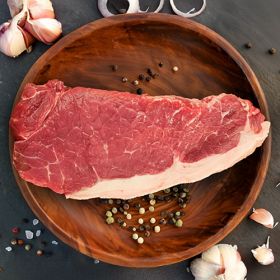

-
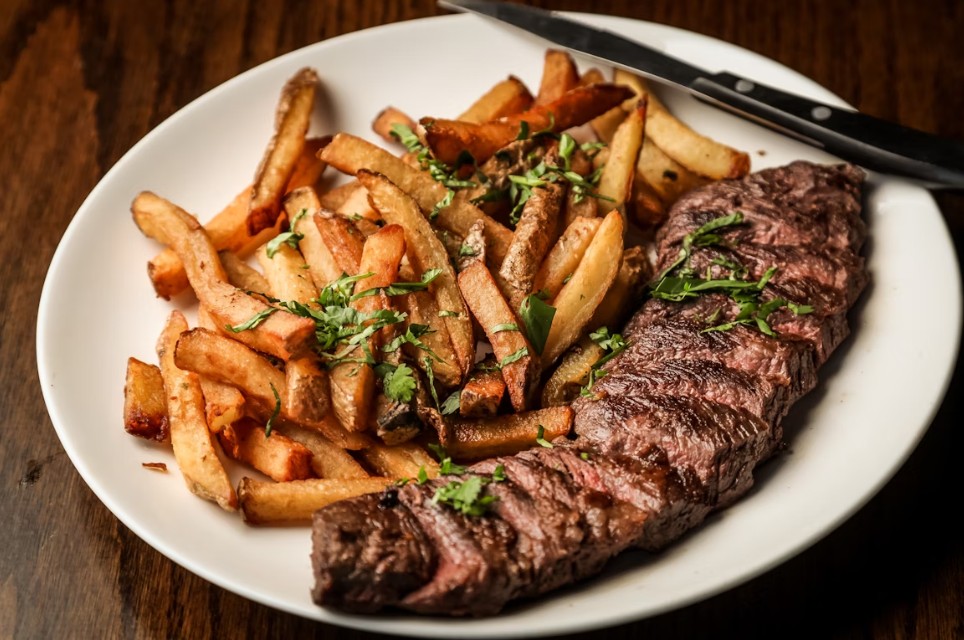 9 September 2025
Steak Night Made Easy: A Guide to Choosing the Perfect Cut
Whether you’re preparing a quiet dinner at home or celebrating a special occasion, selecting the right steak cut can elevate your meal. From richly marbled Wagyu steak to lean and versatile flank steak, every cut offers something different in terms of flavor, texture, and cooking method.
At TenderBites, we offer a variety of high-quality steak cuts in the Philippines, making it easy to shop based on your taste, budget, or occasion. In this guide, we’ll help you choose the perfect steak for any situation—along with tips on how to cook each one to bring out its best.
-
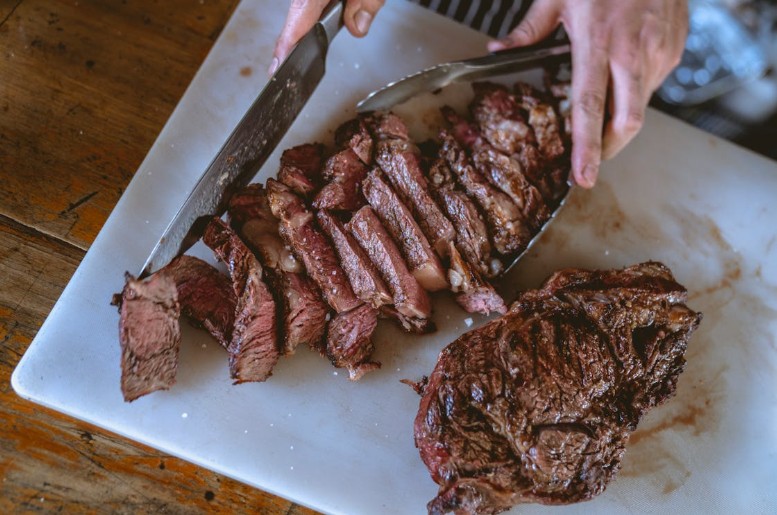 8 October 2025
A Guide to Different Cuts of Beef Steak and How to Use Them
Whether you’re planning a weekday dinner or a special occasion meal, choosing the right beef steak cut can make all the difference. Each steak cut offers its own level of tenderness, marbling, and flavor. And knowing how to cook each one is key to bringing out its best qualities.
In this guide, we’ll walk you through the most popular beef steak cuts, explain their best uses, and offer cooking tips so you can make the most of every bite. We’ll also share how you can order beef online from TenderBites for reliable quality and convenience.
-
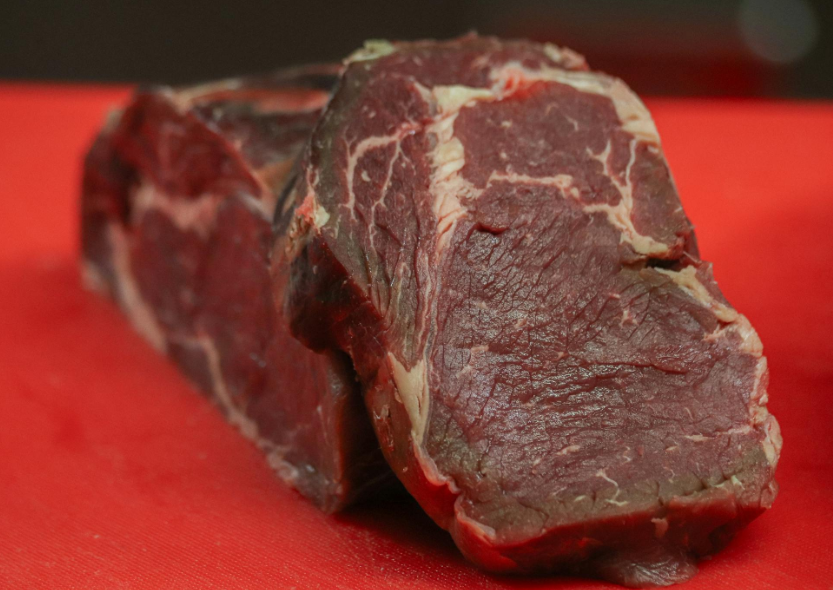 26 May 2026
Ribeye vs Striploin: Which Steak Cut Should You Choose?
When it comes to steak, few debates are more satisfying—or more delicious—than ribeye versus striploin. Both are premium cuts prized by home cooks and professional chefs alike, yet they deliver noticeably different experiences on the plate. Whether you're planning a weekend handaan, cooking up pulutan for friends, or simply treating yourself to a proper steak dinner, knowing the difference between these two cuts will help you make a more confident choice at the butcher counter.