
What's the Difference Between Adobo Cut Pork and Regular Chops?
If you've ever stood in front of a butcher's counter wondering whether to grab the adobo cut or just pick up a pack of chops, you're not alone. These two cuts look similar at first glance, but they behave very differently in the pan and the pot. Understanding what sets them apart can make a real difference in how your dishes turn out, especially when you're cooking for everyday ulam or preparing for a handaan.
What Is Adobo Cut Pork?
Adobo cut pork refers to bone-in pork pieces typically cross-cut from the shoulder or belly, then sliced into smaller, irregular chunks. The cuts are intentionally portioned to include a mix of meat, fat, and sometimes bone, which is exactly what makes them ideal for braised dishes. The fat content bastes the meat during long, slow cooking, while the bone adds depth and body to the sauce.
In Filipino households, adobo cut is almost synonymous with pork adobo itself. The marbling and connective tissue in these pieces break down beautifully when simmered in vinegar, soy sauce, garlic, and bay leaves. The result is fork-tender meat with a rich, glossy sauce that clings to every piece.
What Are Regular Pork Chops?
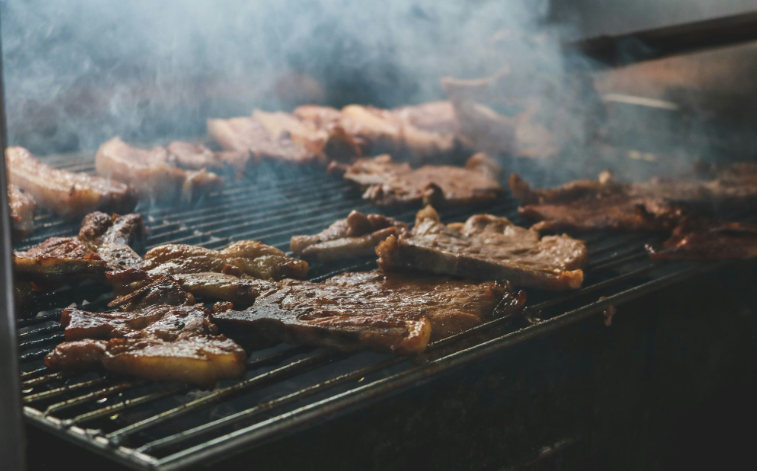
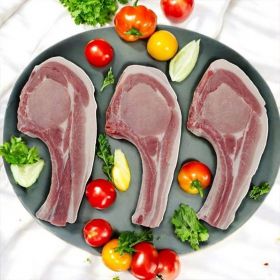
Regular pork chops are cleaner, more uniform cuts typically taken from the loin section. They're sliced to a consistent thickness, usually between half an inch and one inch, and are prized for their leaner profile and neat presentation. Chops are built for quick, high-heat cooking: grilling, pan-searing, or broiling.
Because loin chops have less intramuscular fat than shoulder-derived cuts, they're more likely to dry out if overcooked. They're better suited to dishes like pork steak, breaded cutlets, or simple grilled preparations where a shorter cook time preserves moisture and tenderness. For a deeper look at how to get the best results from chop-style cuts, this guide on the secret to juicy pork steak clearly breaks down the technique and cut selection.
The Core Differences at a Glance
Understanding the functional differences between adobo cut and chops comes down to a few key factors:
- Fat content: Adobo cut has more marbling and fat, which is essential for slow-cooked, saucy dishes. Chops are leaner and better suited to dry-heat methods.
- Bone presence: Adobo cuts often include bone fragments, which contribute to richer, more flavorful sauces. Chops may be bone-in or boneless, but are always neatly trimmed.
- Texture goal: Adobo cut aims for fall-apart tenderness after braising. Chops aim for a slightly firm, juicy bite after quick cooking.
- Thickness and uniformity: Chops are sliced to a consistent thickness for even cooking. Adobo cuts are irregular and chunky by design.
- Best cooking methods: Adobo cut thrives in braises, stews, and slow simmers. Chops do best on a hot grill, cast-iron pan, or under a broiler.
When to Use Each Cut
Choosing between the two comes down to what you're cooking and how much time you have.
If you're making pork adobo, pork sinigang, or menudo, adobo cut is almost always the better choice. These dishes rely on extended cooking times and benefit from fat and collagen slowly releasing into the liquid. The resulting sauce has more body, and the meat becomes deeply flavorful throughout.
If you're preparing something quick, a weekday pork steak, a simple grilled dish for pulutan, or breaded pork for a family dinner, chops are more practical. They cook in minutes, require minimal prep, and plate well with a clean, restaurant-style presentation.
For dishes like menudo, where the cut size and texture matter quite a bit, understanding the source of the pork is equally important. The difference between kasim and pigue in stewed dishes, for instance, significantly affects the final texture and fat balance of the recipe.
The Role of the Shoulder Cut
Much of what's sold as adobo cut in the Philippines comes from the pork kasim, or pork shoulder. Kasim is a workhorse cut: affordable, flavorful, and incredibly versatile. Its natural fat distribution and connective tissue make it the foundation of many traditional Filipino dishes beyond adobo, including humba, paksiw, and kare-kare.
If you're new to working with kasim or want to understand how to get the most out of this cut across different recipes, this beginner's guide to pork kasim covers the basics in a practical, approachable way. TenderBites carries kasim regularly, and their butchers can slice it to your preferred size, whether you need it chunky for adobo or smaller cubes for a stew.
Tips for Cooking Each Cut Well
For Adobo Cut
- Don't rush the braising process: low heat over 45 to 60 minutes allows fat and collagen to break down fully.
- Let the pork reduce in the sauce at the end without a lid to concentrate flavor and create a thicker glaze.
- Marinate overnight in vinegar, soy sauce, crushed garlic, and bay leaves for deeper flavor penetration.
For Pork Chops
- Bring the chops to room temperature before cooking to ensure even searing.
- Cook on high heat for 3 to 4 minutes per side, then rest for 5 minutes before cutting.
- Avoid pressing down on the chop while it cooks, as this forces out moisture and leads to dryness.
Choosing the Right Cut Every Time
Adobo cut pork and regular chops each have a clear role in the kitchen. The adobo cut excels in slow-cooked, saucy Filipino classics where fat and bone deepen the dish, while pork chops shine in fast, high-heat preparations that call for clean presentation and a juicy bite. Knowing which to reach for, and why, takes the guesswork out of planning your meals.
Whether you're cooking a weeknight adobo or grilling chops for a weekend gathering, starting with the right cut is half the battle. Visit TenderBites to explore their full range of pork cuts, available with custom butcher slicing and same-day delivery within Metro Manila.

-
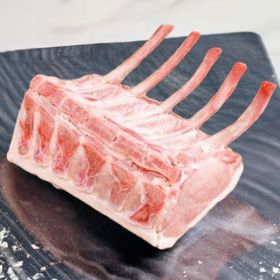
Frenched Pork Chop₱769.00
-
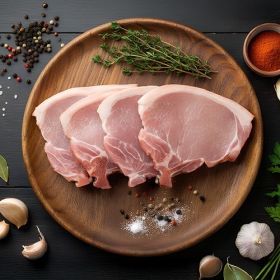
Pork Chop - Skin-On₱629.00
-
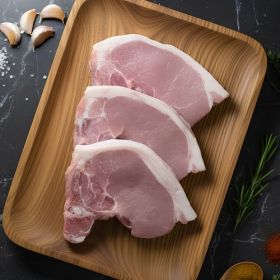
Pork Chop - Skinless₱669.00
-
King Henry Pork Chop₱969.00
-
 8 July 2026
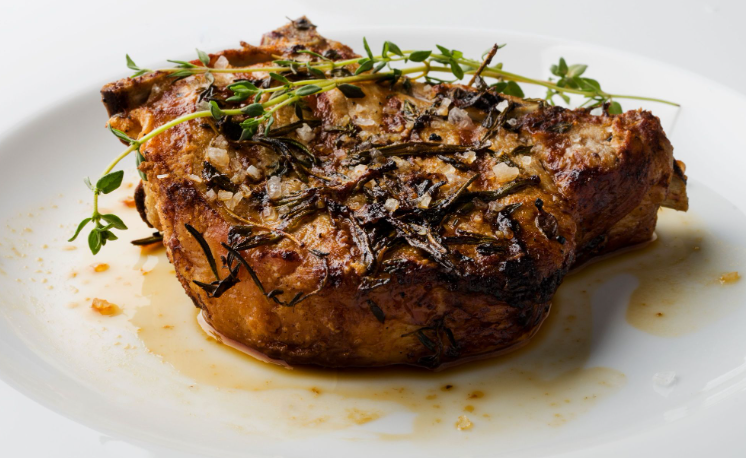
Cast Iron Pork Chops: Filipino Recipes for Crispy Crust and Juicy Meat
Few things satisfy like a pork chop with a deep golden crust and a center so juicy it practically runs. In Filipino kitchens, pork chops are a staple, from everyday ulam to centerpiece dishes at a handaan or fiesta spread. But achieving that restaurant-quality sear at home often comes down to one underrated tool: the cast-iron pan. Unlike non-stick cookware, cast iron retains heat intensely and evenly, creating a crust that seals in flavor and moisture.
-
 26 May 2026
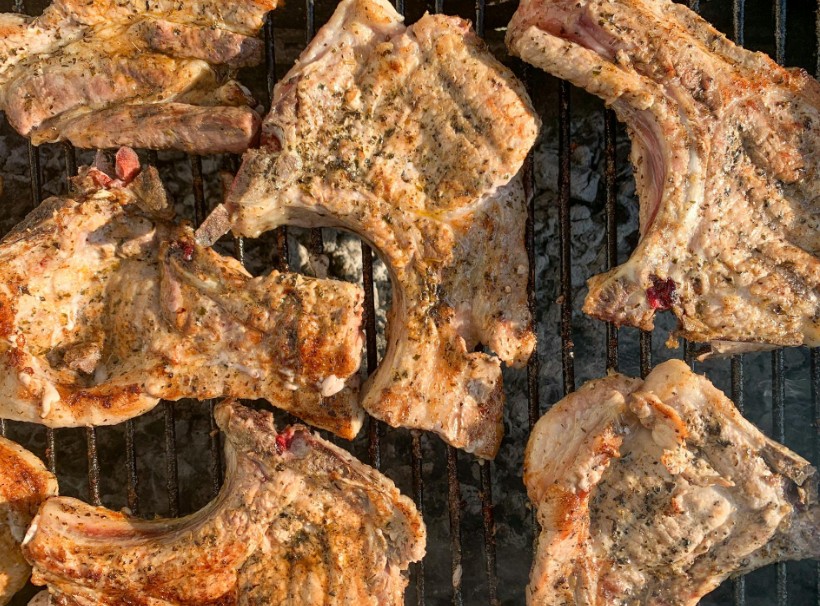
Your Go-To Cuts for Pork Chops: Which Is Best for Frying, Grilling, or Baking?
Pork chops are one of the most versatile proteins in the Filipino kitchen. Whether you're putting together a quick weeknight ulam or preparing for a weekend handaan, the right cut can mean the difference between a dry, chewy disappointment and a juicy, flavorful centerpiece. The problem is that not all pork chops are created equal — and the cooking method you choose should always guide which cut you reach for at the butcher.